Testing page for app
-
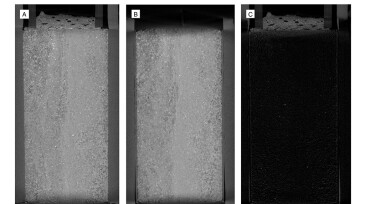
 The authors of this paper present results of a study that examined formation-damage mechanisms caused by drilling fluids in tight reservoirs in onshore oil fields in Abu Dhabi.
 -
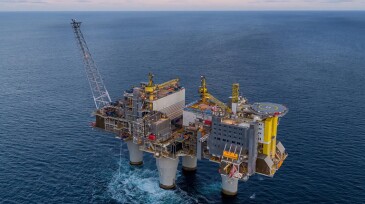
Røver Sør find is said to contain up 47 million BOE of recoverables.
-
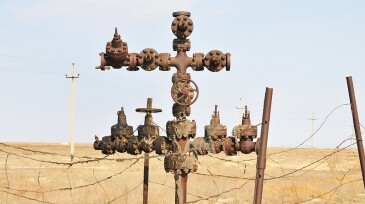
Federal infrastructure law gives states financial incentive to remediate orphan wells.
-
The paper presents predicted vs. measured wear for six wells in the Culzean field, a high-pressure/high-temperature gas condensate field in the central North Sea.
-
Construction of a treatment plan for the natural gas from latest wells is ongoing.
-
The Southern North Sea find could be one of the largest in the area in a decade.
-
In selecting papers for this edition, the criteria of conformance to guidelines and novelty of information, technical equipment, and application were considered. Industry indicators and interest were also factors.
-
Results from more than 50,000 runs where shaped cutters resolved drilling issues demonstrate that, by matching the combination of cutters to the formation and the downhole conditions, it is possible to improve ROP, extend bit life, and drill longer runs for more cost-efficient operations.
-
The authors describe a hybrid gas-lift/rod-pump completion designed to reduce workover rig cost and production deferment and increase production efficiency in high-gas/oil-ratio environments in marginal fields.
-
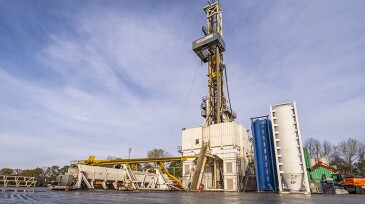
The Dutch Government will no longer issue drilling permits for new onshore oil and gas wells.