Testing page for app
-
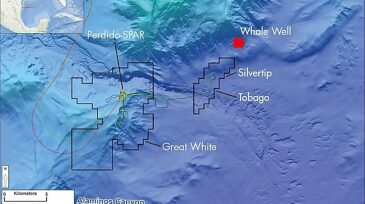
 Service company was previously awarded a similar scope of work related to Shell's Vito project in the US Gulf.
 -
Just as US natural gas prices reach multiyear highs, Chesapeake Energy moves to become this region's largest producer.
-
A subsidiary-owned pipeline near Marmon, North Dakota, spilled more than 700,000 bbl of produced water over a period of almost 5 months in 2014–2015.
-
Scientists from around the world have declared definitively and in unison that global warming is real and that it has been unequivocally caused by human activity. The next move, they said, is up to the world’s leaders.
-
Greenland may have said “no” to oil and gas, but its vast mineral wealth is up for grabs as the world’s biggest billionaires invest to claim metal reserves needed to manufacture batteries.
-
For those who can't make it to Dubai to attend this year's Annual Technical Conference and Exhibition (ATCE) on 21–23 September, the SPE has you covered. Virtual registrations covering all 3 days of ATCE are now available.
-
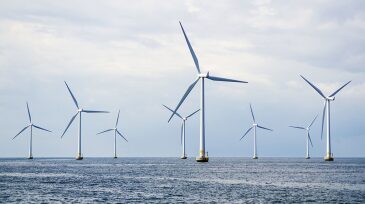
Much has been written on the upcoming supply crunch in the investor-friendly offshore wind installation market, but what are the challenges facing contractors looking to capitalize on this growth and optimize any potential investment in new assets?
-
While CCS and CCUS become more ensconced in oil and gas energy-transition strategy, one major project has fallen short of targets. Infrared sensor technology could fill a crucial gap in halting methane leaks. And a geothermal startup gets a big vote of confidence from industry and celebrities.
-
The complete paper provides tools useful for decision-makers to prevent adverse pipeline incidents caused by human action, poor facility performance, accidents, emergencies, and external events.
-
Delivering clear and consistent communication is a core component of crisis-response management. The complete paper describes an oilfield service company’s crisis-communication strategy implemented in response to a hurricane devastation of an area where more than 12,000 employees live and work.