Testing page for app
-
 The authors of this paper propose a novel work flow for the problem of building intelligent data analytics in heavy-oil fields.
 -
This paper discusses how machine learning by use of multiple linear regression and a neural network was used to optimize completions and well designs in the Duvernay shale.
-
This paper presents an analytics solution for identifying rod-pump failure capable of automated dynacard recognition at the wellhead that uses an ensemble of ML models.
-
As you read the examples in this section, you will see that a change is already under way in that the methods that are being used are increasingly not oil-and-gas-specific but instead follow patterns that are being used in other industries.
-
This paper presents the data collected by an ultrasound downhole scanner, demonstrating a novel method for diagnosing multilateral wells.
-
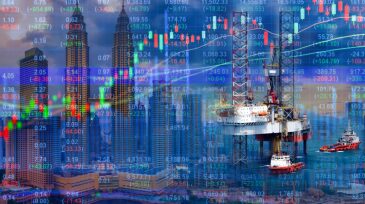
This paper describes challenges faced in a company’s first deepwater asset in Malaysia and the methods used to overcome these issues in the planning stage.
-
The oil industry is currently undergoing a technological transformation that will add value, improve processes, and reduce cost. Future drilling engineers will have knowledge of robotics, automation, and organizational efficiency, which is highly appealing for recruitment.
-
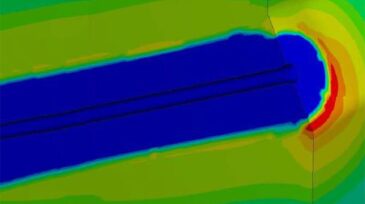
This paper discusses shale creep and other shale-deformation mechanisms and how an understanding of these can be used to activate shale that has not contacted the casing yet to form a well barrier.
-
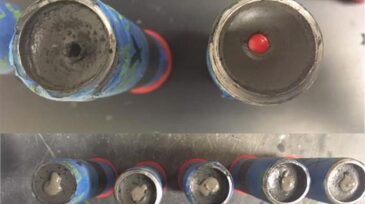
Hydraulic isolation of wells drilled with nonaqueous fluids (NAFs) relies heavily on eliminating mud from the annuli before placing cement.
-
This paper demonstrates a new way to create gas-tight seals during well abandonment, overcoming the limitations of traditional methods and reducing the operator’s liability and potential environmental impact after decommissioning has been completed.