Testing page for app
-
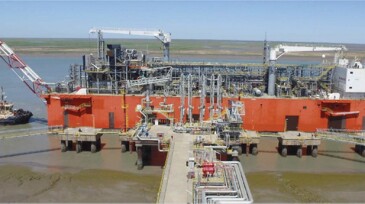
 This paper examines the technical, strategic, and commercial benefits of barge liquefied-natural-gas technology in deepwater and onshore gas developments.
 -
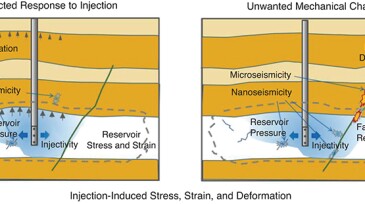
The authors describe an integrated subsurface characterization and monitoring approach for the construction of underground gas storage while ensuring long-term stability.
-
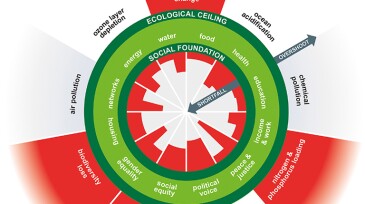
Is it possible for an extractive industry like oil and gas to not only improve efficiency and reduce negative impacts, but also leave operations sites and surrounding areas in a better state than they were found? Much of the public debate revolves around climate change, but measures of ecosystem resilience are dropping precipitously. Why should we care?
-
This year’s history matching and forecasting selections, made by reviewer Gopi Nalla of DeGolyer and MacNaughton, reflect the importance of accurate and innovative methodology in the approach toward development of unconventional or challenging plays, from tight oil to highly heterogeneous gas fields to coalbed methane.
-
This study describes application of the iterative ensemble Kalman smoother application to a low-permeability coalbed methane field in Australia.
-
Brazilian state oil company will focus E&P efforts in deepwater.
-
Shallow water assets sold include interests in four leases
-
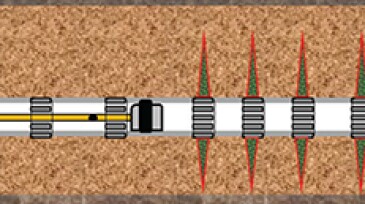
This paper will cover the most-common types of horizontal multistage fracturing completion systems, with a primary focus on unconventionals.
-
Heavy oils are characterized by high density, high viscosity, and high-heavy-fraction components. Because of high viscosity and lower API gravity than conventional crude oil, primary recovery of some of these crude oil types requires thermal stimulation of the reservoirs.
-
Venus well could prove 2 billion-barrel find.