

Latest News
-
 This paper presents results from evaluating the rate of thermal energy that can be extracted under various completion scenarios in end-of-life oil and gas wells using a transient flow simulator.
 -
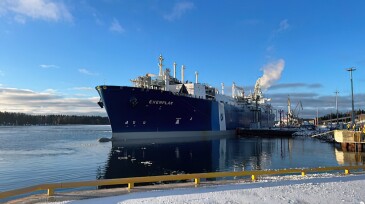
FSRU Exemplar will deliver natural gas to Finnish and Baltic markets via a decade-long contract with local transmission company.
-
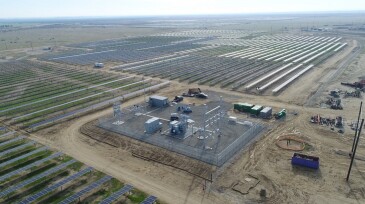
This paper outlines one of the first efforts by a major oil and gas company to build a net exporting, behind-the-meter solar photovoltaic plant to lower the operating costs and carbon intensity of a large, mature oil and gas field.
-
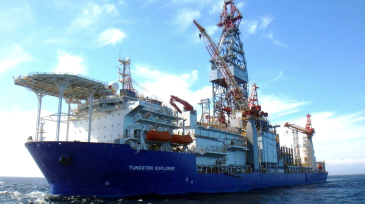
Offshore rig owner expands deepwater fleet in a transaction valued at just under $1 billion.
-
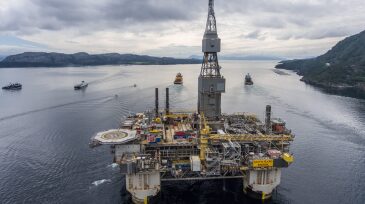
After suffering a 2-year delay and unexpectedly large cost overruns, the Norwegian oil and gas field is expected to produce for 20 more years.
-
Instead of insights, traditional economic yardsticks in mature fields can create surprises. Buyers, investors, and lenders need new yardsticks—besides those based on present value—in order to make profitable decisions in mature properties.
-
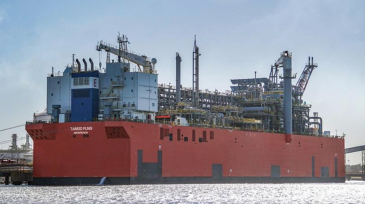
The Marine XII area development could see 3 mtpa of LNG production by 2025.
-
As was announced in JPT’s SPE News in September, SPE CEO Mark Rubin will be retiring in 2023. An SPE Search Committee has been formed, and it has engaged the services of Korn Ferry to coordinate the search for the new senior executive of SPE’s staff.
-
The results of well testing at Zeus-1 are being combined with results of testing at two other discoveries to create a plan for the fast-track development of the offshore block.
-
Denbury acquires carbon-storage land in the South, Baker Hughes forms a new wells consortium, and Chevron and BP expand their investments. Hydrogen takes center stage across the globe, while the international energy transition makes strides toward its goals.
-
NextDecade pushes the final investment decision on project to the first quarter of 2023.
-
The data-management company has raised its investment in the technology company IWS by $7.9 million, with an agreement to invest an additional $25 million depending on the performance of IWS.






Explore Content by Discipline
Trending Content


Get JPT articles in your LinkedIn feed and stay current with oil and gas news and technology.