

Latest News
-
 Only 30% of oil and gas companies have successfully scaled digital manufacturing. In this video, McKinsey & Company presents a few digital transformation ideas that can help oil and gas CEOs achieve real impact on production key performance indicators.
 -
By 2030, deepwater production is expected to rise 60%, but after that, reduced leasing and exploration could limit this small slice of the sector.
-
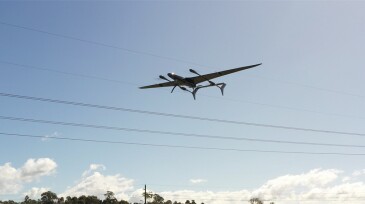
The data company will use drones supplied by Carbonix to expand its remote data acquisition.
-
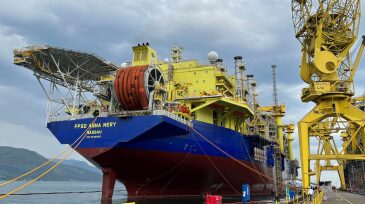
The standalone FPSO destined for Senegal’s first offshore oil development is on its way to a Singapore yard for topsides integration and commissioning.
-
The SPE Workshop “Impact of Digitalization on Drilling Operations” began on 29 November in Al-Khobar, Saudi Arabia, welcoming 316 attendees from 17 countries and 44 companies.
-
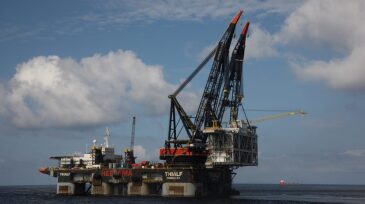
Cassia C is BP Trinidad and Tobago's first offshore compression platform.
-
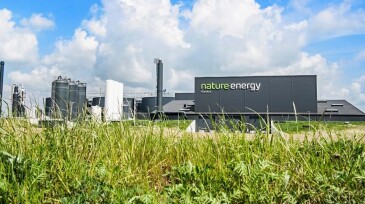
The UK-based supermajor is taking over Nature Energy, a company that specializes in turning manure and food waste into “CO2-neutral” natural gas.
-
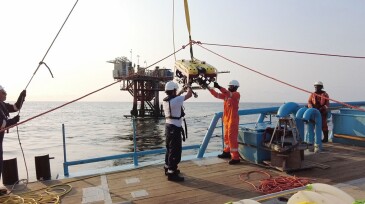
The Seaeye Falcon underwater robot is being used in the decommissioning and repurposing of an oil rig offshore Angola.
-
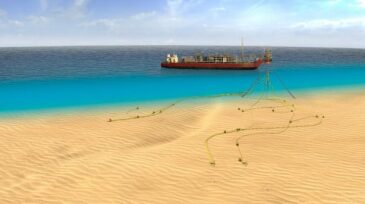
Pemex and New Fortress Energy partner up to develop the Lakach gas field.
-
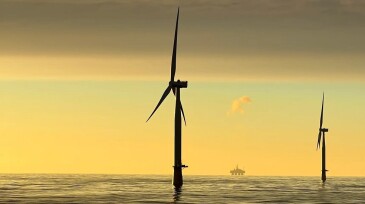
The power from the first turbine to come online will be used to help run the Gullfaks A platform in the North Sea. Seven of the 11 turbines in the field are expected to begin producing power within a year.
-
The new listing aims to prevent further loss of habitat for the flamboyant, stocky birds, which have drastically dwindled in population.
-
A network of more than 1,600 offshore facilities produces a significant portion of US domestic oil and gas. The facilities, which rely on technology to remotely monitor and control equipment, face a growing risk of cyberattacks.




Explore Content by Discipline
Trending Content


Get JPT articles in your LinkedIn feed and stay current with oil and gas news and technology.