

Latest News
-
 This study integrates physics-based constraints into machine-learning models, thereby improving their predictive accuracy and robustness.
 -
This paper introduces a machine-learning approach that integrates well-logging data to enhance depth selection, thereby increasing the likelihood of obtaining accurate and valuable formation-pressure results.
-
This study aims to use machine-learning techniques to predict well logs by analyzing mud-log and logging-while-drilling data.
-
This paper describes a risk-based self-verification process conducted through a bespoke software application.
-
The upstream industry has viewed real-time completions as a long-term goal, but the technology is already in use.
-
This paper discusses and demonstrates the limitations of quantitative risk assessment (QRA) with respect to the usefulness of the concept in managing day-to-day and emerging risks as well as the effect of change.
-
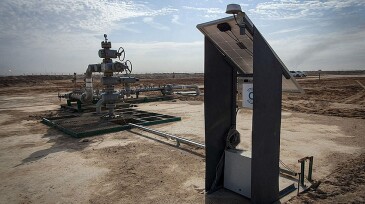
The use of real-time wireless downhole pressure gauges proved a valuable alternative to workover operations in two onshore fields in Iraq.
-
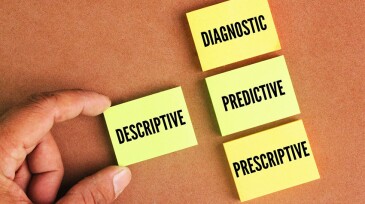
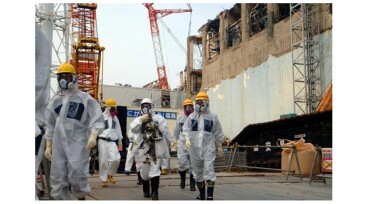
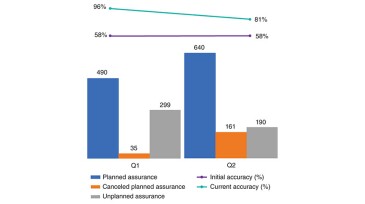
This paper describes a tool that complements predictive analytics by evaluating top health, safety, and environment risks and recommends risk-management-based assurance intervention.
-
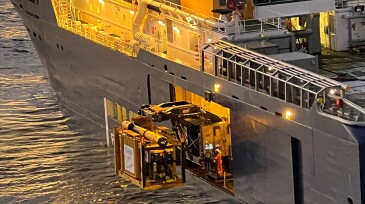
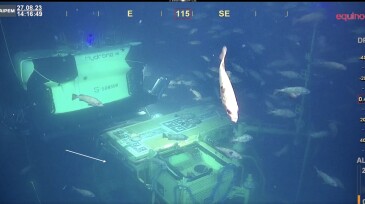
With the right infrastructure and interoperability, subsea resident robotics could unlock more frequent, cost-effective inspections—and a new standard for offshore efficiency.
-
Emerging solutions could solve current subsea pain points, while a new taxonomy system could clarify the capabilities of the expanding domain of underwater vehicles.
-
This study explores enhancing gas production through a novel combination of prestimulation using a coiled tubing unit and high-rate matrix acidizing.
-
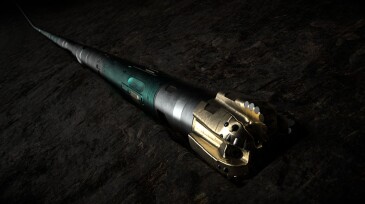
Bad vibes are being addressed by contractors as operators push to go faster, deeper, and longer with unconventional wells.

Explore Content by Discipline
Trending Content


Get JPT articles in your LinkedIn feed and stay current with oil and gas news and technology.