

Latest News
-
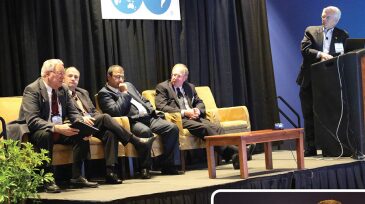
 ATCE included expanded content for project, facilities and construction professionals. Panels discussed our performance in managing megaprojects and our challenges in designing separation equipment. Two technical paper sessions were also included.
 -
Fluid flows in separation vessels are key to effective performance. The flow distributions are affected by the vessel, the configuration of its internals, and the layout of the upstream piping connecting to the vessel’s inlet nozzle.
-
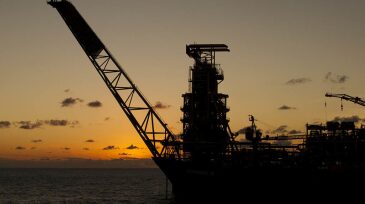
Expenditures for floating production systems are expected to more than double in the next five years. This growth is driven by multiple factors.
-
ExxonMobil is testing its Controlled Freeze Zone technology, a single-step cryogenic process that allows carbon dioxide (CO2) to freeze in a controlled method and then melts the CO2. After recovery of the methane, the CO2 can be sequestered or used for EOR.
-
In this paper, a data-driven model is applied to derive optimum maintenance strategy for a petroleum pipeline. The model incorporates structured expert judgment to calculate the frequency of failure, considering various failure mechanisms.
-
Engineering culture is largely a safety culture. We have to assume that people will make a mistake and protect them from themselves through the way we design facilities.
-
The oil and gas industry is sometimes slow to adopt new technologies and other times quick to deploy a new approach. The decision whether to try something new weighs the perceived risks and rewards.
-
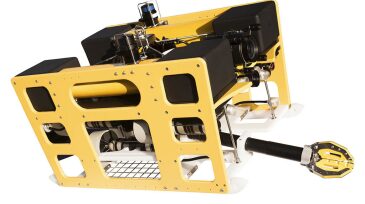
The market for subsea vessel operations in field development; inspection, repair, and maintenance (IRM); and subsea well intervention is expected to grow 63% during 2012 to 2016.
-
Process safety is attaining a higher profile in the energy business. I think we are continuing our safety journey and improving our practices and fluency, moving beyond personal safety into integration as a core part of the project, facilities, and construction (PFC) landscape.
-
Physical properties of crude oil, such as gravity, viscosity, and water density, drive the selection of technologies to be used for effective dehydration. For heavy crude oils, process temperature is often increased to lower viscosity, but there are limits, after which alternatives are needed.
-
Expectations have continued to rise over recent years regarding how oil and gas projects and facilities analyze, manage, and communicate about their social and environmental performance. NGOs are among the most interested and active stakeholders, and increasingly they expect to be engaged.
-
Ashtead Technology has restructured its senior management team, appointing Allan Pirie chief executive officer (CEO) of the offshore division. He previously served as the group chief financial officer.








Explore Content by Discipline
Trending Content



Get JPT articles in your LinkedIn feed and stay current with oil and gas news and technology.