

Latest News
-
 The new wells at Zohr are key to a plan to return Egypt’s gas production back to “pre-crisis” levels by June 2025.
 -
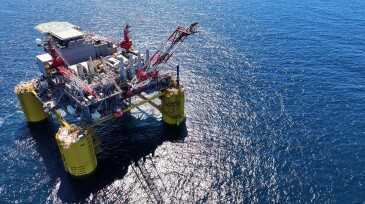
At peak, 100,000 BOE/D is expected to flow to the Whale production semisumbersible, which largely replicates the Vito semi.
-
Operators remain cautiously optimistic in 2025, despite regulatory uncertainties.
-
The Libyan National Oil Company plans to tender 22 onshore/offshore exploration blocks in 2025 as it works to rebuild credibility with foreign oil producers.
-
The acquisition, expected to close in early 2025, will bring Optime Subsea’s umbilical-less technology into Halliburton’s Testing and Subsea division.
-
Moving from use cases to enterprisewide AI is more than a technology challenge. It requires anchoring on value, feedback, and innovation.
-
During its 2023–2024 term, the SPE D&I Committee achieved high-quality deliverables with teamwork, collaboration, and integration of different backgrounds, ages, and nationalities.
-
PetroWiki is moving to OnePetro, bringing all SPE resources together in one trusted, easily navigable location.
-
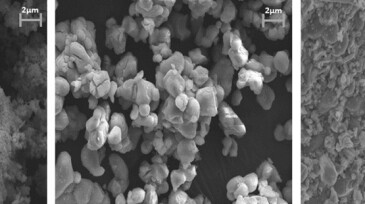
This paper investigates the effect of calcium oxide as an expansive agent on the performance of geopolymer-based sealing materials, with successful application in oil and gas wells at shallow depths.
-
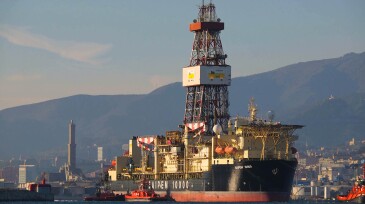
Operator TotalEnergies and rig owner Vantage Drilling form joint venture to purchase the Tungsten Explorer.
-
As Southeast Asia’s third-largest gas producer, PTTEP is investing in its energy security by prioritizing gas production and building up a global LNG supply chain.
-
The decision invokes a 1953 law that will make it difficult for incoming US President Donald Trump to reverse.








Explore Content by Discipline
Trending Content


Get JPT articles in your LinkedIn feed and stay current with oil and gas news and technology.