

Monthly Features
-
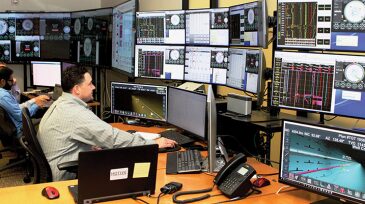
 This case study describes how edge computing and industrial internet of things platforms were deployed to automate and optimize production operations across four distinct basins.
 -
 This case study presents a procedure in which the operator compared production from wells with adjusted wettability to a control group, finding that the adjustments resulted in significant improvements in production and reductions in produced water.
 -
 As equipment advances to handle extreme pressures and temperatures, new Gulf opportunities are emerging—alongside increasing operator demands for standardized, scalable, faster, and more affordable solutions.
 -
 Ultradeepwater prospects along the northern coast of Brazil could help offset decline in legacy basins, though permitting hurdles remain a wild card.
 -
 The US federal government is working to stymie offshore wind power, but proponents aren’t going quietly. Armed with data, they are taking on a sea of misinformation and hostility to defend the burgeoning resource in the US, while the rest of the world moves ahead briskly.
 -
 This case study from SLB and offshore producer PRIO describes the longest openhole section in Latin America with the highest extended-reach drilling ratio in Brazil’s history.
-
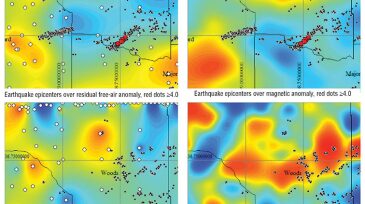
 It is known that a well injecting a lot of water near a big fault can lead to earthquakes. The problem is, more often than not those faults are not known until after a tremor.
 -
A type curve is a quick way to answer a critical question—what does a typical well produce over time in a given place?
-
The Unconventional Resources Technology Conference included discussions on emerging approaches to improving oil and gas recovery from tight rocks and exploring where the risks still lie with induced seismicity.
-
PipeFractionalFlow, a spinoff startup from the University of Texas at Austin, uses new theories and equations to make modeling complex multiphase flow more affordable. A model recently developed offers operators an “independent and unbiased” way to validate the system and select candidate wells.
-
This well-established oilfield consultancy explains why 2020 might be a big year for the unconventional sector.
-
ADNOC’s authority on technology maturity describes the case studies used to test the company’s new technology qualification process.
-
Software that offers turn-by-turn directions for drilling a horizontal well could drastically reduce the number of directional drillers.
-
Ocean waves are potential sources of energy that are powerful, often more readily available than wind and solar, and closer to population centers along coastlines.
-
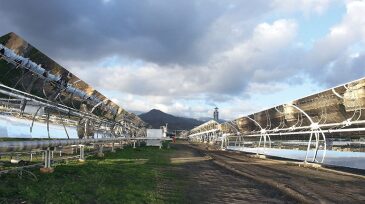
In thermal enhanced oil recovery there is one big ingredient: steam. A new startup from Germany believes it has found the oil industry’s cheapest way to make it.
-
A Canadian research organization believes the country’s oilfield technology could help another energy sector drive down its costs and it may work out for heavy oil producers too.





Explore Content by Discipline
Power Up With JPT Newsletters
JPT Newsletter (Weekly).
All the top stories, trends, and tech.
JPT Unconventional Insights (Monthly).
Fresh takes on shale and tight oil.
Get JPT articles in your LinkedIn feed and stay current with oil and gas news and technology.