

Monthly Features
-
 Oil prices are high, but spending has not caught up—yet. Meanwhile, exploration strategies are changing around the world toward a lower-risk model, and the frenzied pace of US M&A has very much cooled off.
 -
 This case study outlines a full-scale testing program focused on the behavior of thermal casing connections subjected to severe bending and low-cycle fatigue loading.
 -
 With millions of wells having been drilled in the US since the beginning of the oil age, the land is pocked with old, unused wellbores. For most, repurposing is a pipe dream. Plugging is the best option.
 -
 Disposal wells remain the lowest-cost solution for produced water, but concerns over seismicity and long-term sustainability are accelerating interest in alternatives.
 -
 This case study from Malaysia’s Petronas outlines a comprehensive review of perforation-charge testing across various tubular and reservoir conditions to help improve production from complex downhole scenarios.
 -
 As managed pressure drilling gains traction, its principles are influencing a wider range of well-construction activities.
-
 Tom Blasingame will take office as 2021 SPE President during the SPE Annual Technical Conference and Exhibition to take place in October. He shares his views of the key challenges facing SPE and the industry and what his goals will be during his presidency.
 -
The SPE International Awards honor members whose outstanding contributions to SPE and the petroleum industry merit special distinction. Recipients of the 2020 International Awards will be recognized during the Annual Technical Conference and Exhibition.
-
The SPE International Awards honor members whose outstanding contributions to SPE and the petroleum industry merit special distinction. Recipients of the 2020 International Awards will be recognized during the Annual Technical Conference and Exhibition.
-
Unconventional producers around the world have been hamstrung by expensive and cumbersome options when it comes to obtaining reservoir data. Among the latest ways to break past these barriers is a new method developed by Canadian researchers and field tested in Australia’s unconventional frontier.
-
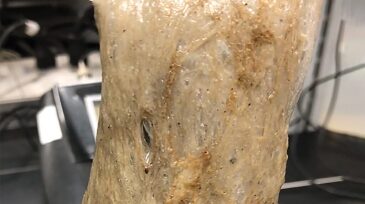
The source of gummy, damaging polymer gunk that has flowed from Oklahoma oil wells is becoming clear, and one of the lessons learned is that shale plays require petroleum engineers to learn more about chemistry.
-
Brazil’s national oil company details the results of 6 years of real-time drilling monitoring. The next step is to move toward optimization, then automation.
-
Advanced machine-learning methods combined with aspects of game theory are helping operators understand the drivers of water production and improve forecasting and economics in unconventional basins.
-
Discussed are real-world examples of the less often considered but valuable environmental benefits delivered via MPD.
-
The oil and gas industry is increasingly characterized by complex connectivity, but our digital dependency brings a new realm of cyber risks. Are we cyber-ready?
-
While it remains today only an idea, there are but a few barriers keeping an unmanned floater from being realized, according to one of the world’s leading offshore engineering firms.





Explore Content by Discipline
Stay Ahead With JPT Newsletters
JPT Newsletter (Weekly).
Essential global industry news, technology developments, and market trends delivered to your inbox.
JPT Unconventional Insights (Monthly).
Global perspectives and expert analysis on shale, tight oil, and emerging unconventional plays.
Get JPT articles in your LinkedIn feed and stay current with oil and gas news and technology.