

Monthly Features
-
 Oil prices are high, but spending has not caught up—yet. Meanwhile, exploration strategies are changing around the world toward a lower-risk model, and the frenzied pace of US M&A has very much cooled off.
 -
 This case study outlines a full-scale testing program focused on the behavior of thermal casing connections subjected to severe bending and low-cycle fatigue loading.
 -
 With millions of wells having been drilled in the US since the beginning of the oil age, the land is pocked with old, unused wellbores. For most, repurposing is a pipe dream. Plugging is the best option.
 -
 Disposal wells remain the lowest-cost solution for produced water, but concerns over seismicity and long-term sustainability are accelerating interest in alternatives.
 -
 As managed pressure drilling gains traction, its principles are influencing a wider range of well-construction activities.
 -
 This case study presents the first field deployment of acoustic fracturing analysis to evaluate perforation efficiency and implement real-time interventions during pressure pumping.
-
 A study by a real-time monitoring company showed that many coiled-tubing strings are retired with a lot of life left in them. It suggested companies could lower costs by using pipe for a longer time and could benefit from multicompany studies showing how their decisions compare to the competition.
 -
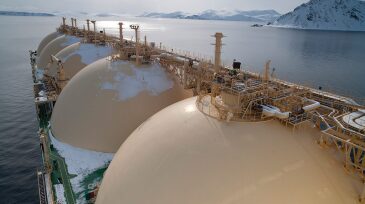
In its first 50 years, LNG has become the world’s fastest-growing gas supply source and is now part of an upheaval in the global energy market. Today, the sector stands at a crossroads, and the industry must adopt new thinking to address current and future needs of buyers, sellers, and consumers.
-
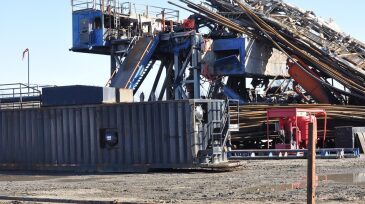
Regulators say the blowout that killed five workers on a Patterson-UTI rig in Oklahoma was the product of a slow-moving series of missed signals, misleading testing, and miscalculations that failed to control a natural gas influx.
-
With speakers from various disciplines and professions, the 2019–2020 Distinguished Lecturer lineup focuses on industry trends, challenges, and technology applications and advances.
-
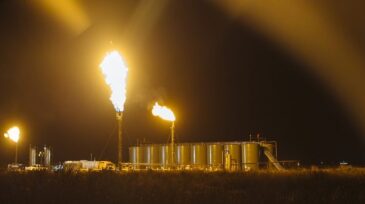
Oilfield flares are a bright indicator of rapidly rising oil production that exceeds pipeline capacity. And it raises the question: Why are oil companies in such a hurry?
-
The new well control rule is evidence that memories of the Macondo blowout remain a powerful force for caution. Despite the rhetoric on both sides of this hot-button issue suggesting big changes, the final changes were incremental.
-
The evolution of hydraulic fracturing is a long and circuitous one that deserves examination. Engineering and completions leaders from Liberty Oilfield Services did just that, authoring a paper that encapsulates the high points in the development of the groundbreaking completions practice.
-
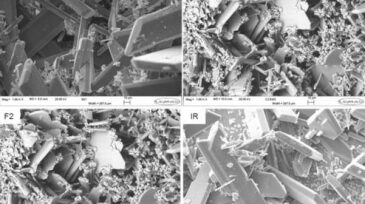
The chemical reactions creating buildups of scale that can clog a well can be replicated in a chemical lab, but researchers are finding many more variables on the surfaces of pipes that need to be considered.
-
The state-owned firm is looking within its home country, around Southeast Asia, and to the Americas—including shale—in an effort to maintain its forecast average yearly production of 1.7 million BOE/D over the next 5 years.
-
Malaysia’s Petronas, Shell Malaysia, and Thailand’s PTTEP are now in the midst of full-scale digital adoption. The companies are beginning to see results, but none is counting on a “big bang” in development of the technology soon.




Explore Content by Discipline
Stay Ahead With JPT Newsletters
JPT Newsletter (Weekly).
Essential global industry news, technology developments, and market trends delivered to your inbox.
JPT Unconventional Insights (Monthly).
Global perspectives and expert analysis on shale, tight oil, and emerging unconventional plays.
Get JPT articles in your LinkedIn feed and stay current with oil and gas news and technology.