

Monthly Features
-
 Oil prices are high, but spending has not caught up—yet. Meanwhile, exploration strategies are changing around the world toward a lower-risk model, and the frenzied pace of US M&A has very much cooled off.
 -
 This case study outlines a full-scale testing program focused on the behavior of thermal casing connections subjected to severe bending and low-cycle fatigue loading.
 -
 With millions of wells having been drilled in the US since the beginning of the oil age, the land is pocked with old, unused wellbores. For most, repurposing is a pipe dream. Plugging is the best option.
 -
 Disposal wells remain the lowest-cost solution for produced water, but concerns over seismicity and long-term sustainability are accelerating interest in alternatives.
 -
 This case study from Malaysia’s Petronas outlines a comprehensive review of perforation-charge testing across various tubular and reservoir conditions to help improve production from complex downhole scenarios.
 -
 As managed pressure drilling gains traction, its principles are influencing a wider range of well-construction activities.
-
 A closer look at technological and mechanical solutions being developed to limit exposure to respirable silica dust during hydraulic fracturing operations in the wake of US government regulations.
 -
Things are so tough in the Canadian oil sands that competitors are considering whether to start sharing some of what they know about producing more and doing it for less. Collaboration should speed progress for everyone, but companies with something to give are looking for something in return.
-
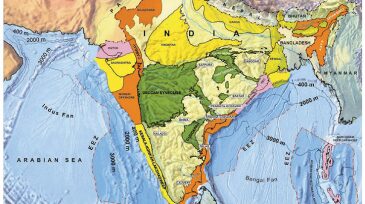
India will test whether it can reach its ambitious goal of reducing oil and gas imports by 10% by 2022 with an upcoming auction of oil properties.
-
Early testing suggests that grains of proppant so small they need to be measured in microns can add production by slowing the notoriously rapid declines in unconventional wells.
-
A new play in the Permian Basin is unconventional in an unexpected way: there is a small group of independents producing from a watery formation where oil production begins after they have pumped only water for weeks.
-
Mexico’s long awaited deepwater auction saw 8 out of 10 blocks awarded but there remains plenty of work to be done before activity ramps up, including finalizing regulatory rules, upgrading ports, and optimizing the bid rules for future auctions.
-
As drilling activity rises, the demand for all that is needed to complete wells rises even faster. The wells are bigger, and more water and sand are used for each foot stimulated.
-
US drilling and completion companies that were slashing workforces and cannibalizing pumping trucks for parts 6 months ago are now hiring crews and repairing equipment to meet rising demand.
-
Though crude prices are rising, US shale producers face questions over whether their improving oil production results and cost efficiencies will last as increasing drilling activity drives demand for oilfield services.
-
SPE’s technical directors offer advice on how to get through the current bad times, which are not so different than when they got in the business.




Explore Content by Discipline
Stay Ahead With JPT Newsletters
JPT Newsletter (Weekly).
Essential global industry news, technology developments, and market trends delivered to your inbox.
JPT Unconventional Insights (Monthly).
Global perspectives and expert analysis on shale, tight oil, and emerging unconventional plays.
Get JPT articles in your LinkedIn feed and stay current with oil and gas news and technology.