

Monthly Features
-
 Oil prices are high, but spending has not caught up—yet. Meanwhile, exploration strategies are changing around the world toward a lower-risk model, and the frenzied pace of US M&A has very much cooled off.
 -
 This case study outlines a full-scale testing program focused on the behavior of thermal casing connections subjected to severe bending and low-cycle fatigue loading.
 -
 With millions of wells having been drilled in the US since the beginning of the oil age, the land is pocked with old, unused wellbores. For most, repurposing is a pipe dream. Plugging is the best option.
 -
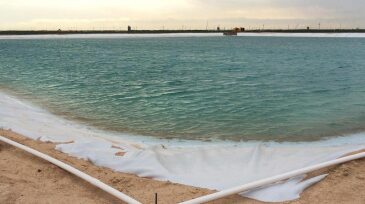
 Disposal wells remain the lowest-cost solution for produced water, but concerns over seismicity and long-term sustainability are accelerating interest in alternatives.
 -
 This case study from Malaysia’s Petronas outlines a comprehensive review of perforation-charge testing across various tubular and reservoir conditions to help improve production from complex downhole scenarios.
 -
 As managed pressure drilling gains traction, its principles are influencing a wider range of well-construction activities.
-
 As oil prices recover from the low point of the downturn, operators in the Permian and the Bakken are tackling water management issues.
 -
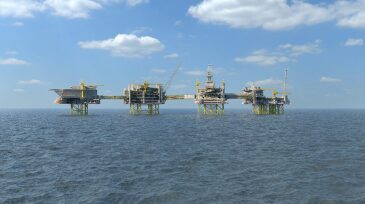
By creating a different sort of partnership for a drilling project with close cooperation and greater efficiency built into every detail, including the contracts, Statoil was able to halve the cost of drilling eight wells at its Johan Sverdrup field.
-
One of the oldest deepwater platforms in the Gulf of Mexico has become a profit-leader for the oil major during this downturn and is now a model for the company’s other floating assets.
-
Russia’s need to continue expanding the oil and gas business is pushing it to look east for more production and markets. But everywhere it turns there is stiff competition in a world awash in oil and gas.
-
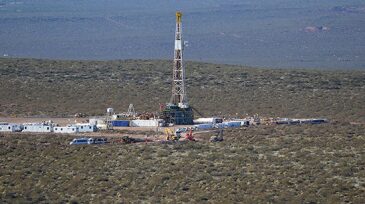
Shale explorers in Argentina are reporting that improving performance and activity is set to rise this year to boost the country’s gas production.
-
Three major finds have shattered assumptions about what is possible in the most explored parts of Alaska’s North Slope.
-
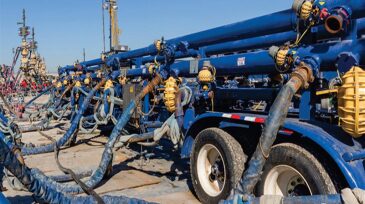
A new spread of stimulation equipment from the world’s largest service company demonstrates the latest significant step to creating a more automated oilfield.
-
Sami Al-Neaim has been nominated for 2019 SPE President, and eight other members were nominated to fill vacancies on the 2018 SPE Board of Directors.
-
Oil production from the Canadian oil sands is big, growing, and its future is in doubt. The problem is the cost and time required to develop new production is not competitive now. While some big international oil companies are selling out, others are focused on changing the economics of growth.
-
In North America’s most active shale fields, the drilling and hydraulic fracturing of new wells is directly placing older adjacent wells at risk of suffering a premature decline in oil and gas production.




Explore Content by Discipline
Stay Ahead With JPT Newsletters
JPT Newsletter (Weekly).
Essential global industry news, technology developments, and market trends delivered to your inbox.
JPT Unconventional Insights (Monthly).
Global perspectives and expert analysis on shale, tight oil, and emerging unconventional plays.
Get JPT articles in your LinkedIn feed and stay current with oil and gas news and technology.