carbon capture and storage
-
 This paper presents novel approaches to carbon abatement using petroleum that have a strong chance to succeed in fulfilling technological and economic goals.
 -
What the industry needs at this stage is a willingness to work together, share best practices, conduct innovative research, and focus on disruptive technologies that lower cost of capture and make our operations more sustainable.
-
The complete paper describes an advanced Rankine cycle process-based system that converts waste heat into usable electrical power to improve the efficiency of gas-compression stations on gas-production platforms and pipelines.
-
Two technologies that may play a part in the decarbonization of the UK energy business are carbon capture, use, and storage and the use of hydrogen for energy transportation and storage. This approach builds on the UK’s gas-network infrastructure, which can be repurposed to avoid becoming stranded.
-
An independent study pegged the cost of the project at about $2.6 billion, 80% of which Norway’s government planned to fund. The ministry said there is uncertainty about Northern Lights’ benefits and that it could prove to be unprofitable.
-
The White House review of proposed rules for an expanded credit for capturing and storing carbon dioxide resulted in changes that give the IRS more time to take back the credits in case of carbon leaks.
-
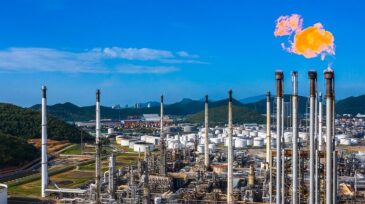
A billion-dollar fund will be available for innovations in flare minimization, venting elimination, fugitive-emissions reduction, and complete combustion.
-
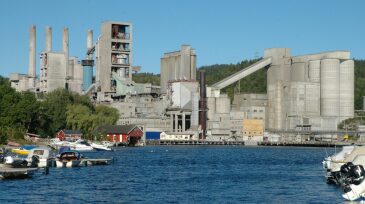
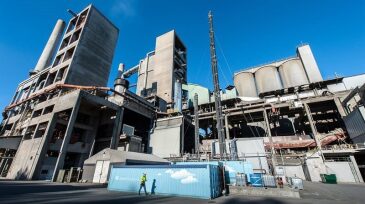
The cement industry is exploring carbon capture technology to reduce its carbon footprint.
-
A new idea from Equinor calls for autonomous submarines to transport CO2 from the surface to the seabed. The Norwegian operator says the shuttles could also carry oil and water for injection.
-
The oil and gas industry was created by fierce entrepreneurs, wildcatters, and visionaries. But, in the last 50 years, it has lost its way. The industry desperately needs a paradigm shift. Here are four pillars upon which we think the reinvention of the oil and gas industry should be based.