environment
-
 The intensity of methane and greenhouse-gas emissions from the oil and gas sector declined 28% and 30%, respectively, between 2019 and 2021 among the largest producers in the country, according to an analysis published by the nonprofits Clean Air Task Force and Ceres.
-
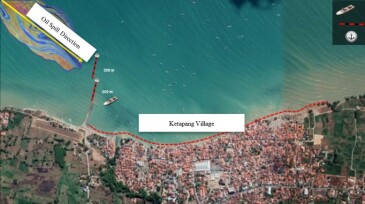
This paper presents the oil spill contingency plan adopted by Pertamina to protect sensitive areas on and around Java, the world’s most populous island.
-
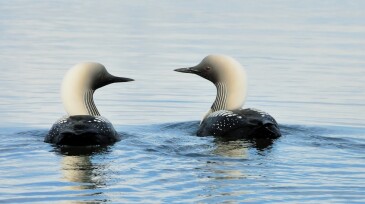
A new study that analyzed 17 years of migratory bird-nesting data in Prudhoe Bay, Alaska, revealed that nest survival decreased significantly near high-use oil and gas infrastructure and its related noise, dust, traffic, air pollution, and other disturbances.
-
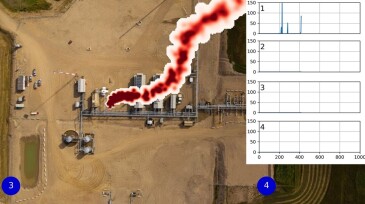
The authors of this paper describe a continuous monitoring system based on the Internet of Things (IoT) to use methane-concentration sensors permanently installed at facilities and connected to a cloud-based interpretation platform.
-
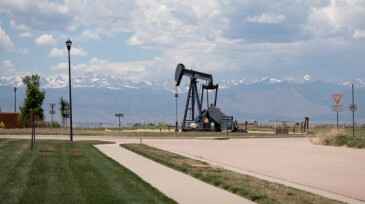
The Center for Western Priorities’ annual Western Oil and Gas Spills Tracker report shows that Colorado’s oil and gas industry is trending in the wrong direction on drilling-related spills.
-
Several options exist for large-scale hydrogen underground storage: lined caverns, salt domes, saline aquifers, and depleted oil/gas reservoirs. In this paper, a commercial reservoir simulator was used to model cyclic injection/withdrawal from saline aquifers and depleted oil/gas reservoirs. The results revealed the need to contain the stored volume with an integrated…
-
Regulators told some injection well operators close to the epicenter of a magnitude 4.0 earthquake that they will have to shut down their operations indefinitely.
-
This case study highlights the effectiveness of unmanned aerial systems in enabling land-based operators to assess the relative seriousness of leaks efficiently by both localizing and quantifying their methane emission rates.
-
Recently published research suggests that carbon dioxide stored underground will stay there for millions of years.
-
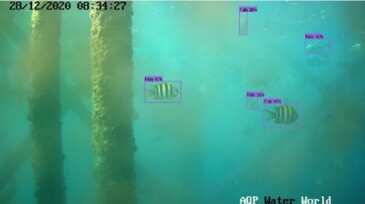
Because diversity of aquatic animals is an indicator of safe and environmentally friendly operations, a pilot system has been launched that uses an underwater camera and artificial intelligence to observe aquatic animals around a platform.