flaring
-
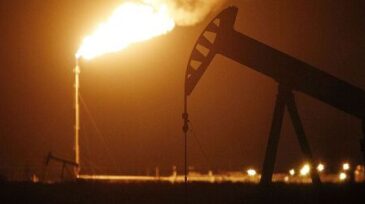
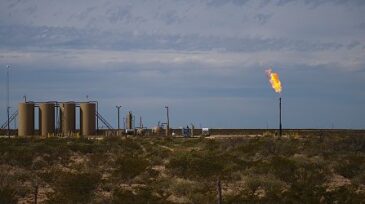
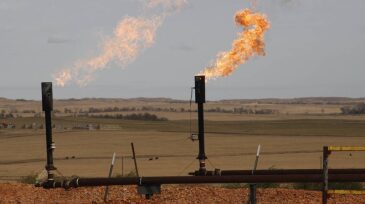
 The Texas Railroad Commission’s chairman has said the commission will look into policies to “drastically reduce” natural gas flaring from the state’s shale patch as investors become increasingly sensitive to climate-change concerns.
-
Recommendations include changes to current forms and reports used to track flaring.
-
The combined effect of COVID-19 and an ongoing oil price war has ushered in one of the worst downturns for the energy industry in modern history. Yet, a bright side is shining through; flaring levels in the Permian Basin have fallen sharply and will continue to decline, a Rystad Energy report shows.
-
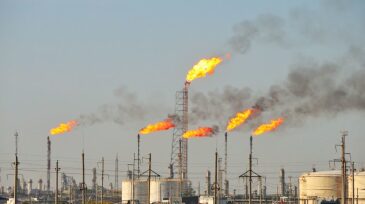
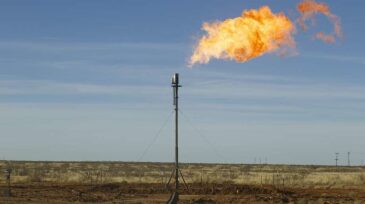
Flaring has roughly tripled in 2 years in the Permian. As flaring has skyrocketed, so have the calls to curb it. But there is little agreement on how that should be done.
-
Instead of burning money, why not make electricity? This is the big pitch being made by a growing number of technology companies who see green every time they see a red-hot flare burning associated gas.
-
Texas Railroad Commissioner releases state's first flaring report.
-
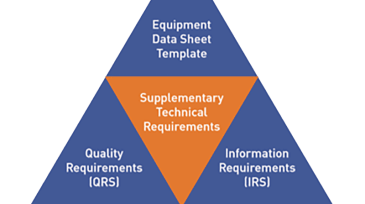
IOGP today launched JIP33 flare package specification guidelines for public review and comment.
-
A Denver-based company has been installing data centers at shale drilling sites to take advantage of excess natural gas. Now, according to a new Bloomberg report, that company hopes to harness some of that gas to power data centers for Bitcoin mining.
-
As The Environmental Partnership celebrates its second anniversary, the coalition of oil and natural gas companies has grown 150% to 70 members while continuing efforts to reduce emissions from natural gas production.
-
According to a new report from the EIA, the volume of natural gas reported as flared reached its highest average annual level in 2018, 1.28 Bcf/D. With production soaring in the Bakken, Permian, and Eagle Ford plays, North Dakota and Texas accounted for more than 80% of that total.