

HSE
-
 Experts and industry leaders gathered in The Woodlands, Texas, recently to sift through the challenges of carbon capture, utilization, and storage. The puzzle is coming together, but some critical pieces are still needed before the results look like the picture on the box.
 -
Remote sensing techniques have proven their popularity. This paper demonstrates how modern information technology helps by adding more value to tested and proven sensors and systems within offshore marine operations.
-
The companies have released the Event Learning Taxonomy CLUE, which aims to improve the understanding of incidents beyond individual blame and toward clearer reporting and increased learning.
-
A memorandum of understanding between the companies targets technical services for safety and performance across Egypt’s onshore and offshore assets.
-
No injuries were reported, and work has been suspended on the North Sea rig while the BOP is recovered.
-
The department announced it plans to combine the Bureau of Offshore Energy Management and the Bureau of Safety and Environmental Enforcement into the Marine Minerals Administration.
-
The 2025 report confirms for the second year that the Appalachian Basin has the lowest methane intensity of any major oil and gas basin in the US.
-
The annual survey is designed to gauge companies’ reporting practices regarding sustainability and governance.
-
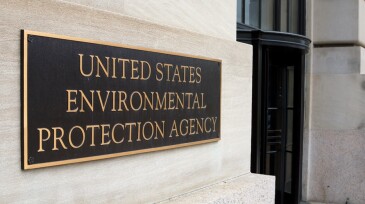
The US Environmental Protection Agency withdraws its legal basis for federal vehicle GHG standards, setting up potential court challenges.
-
The company said its frequency of serious incidents was down at the end of the year from its levels at the end of 2024.









Page 1 of 11