methane
-
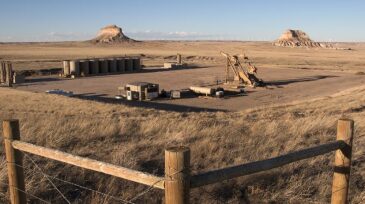
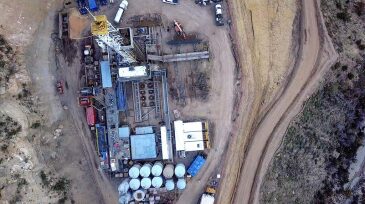
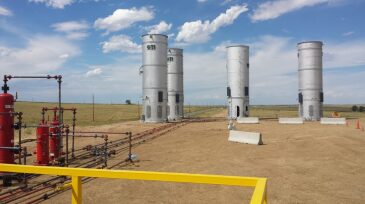
 This paper presents a ubiquitous sensing network that has been developed, tested, and piloted at several oil and gas facilities as well as at an in-house simulated well site. The system integrates wireless methane sensor nodes, weather sensors, and other edge devices for autonomous operation.
 -
A federal court struck down an Obama-era regulation targeting methane leaks from drilling on public lands, arguing that it went beyond the scope of the Bureau of Land Management, which promulgated the rule.
-
Although based on “intensity” and not “absolute” emissions, oil giants say it’s a step toward net-zero goals for 2050.
-
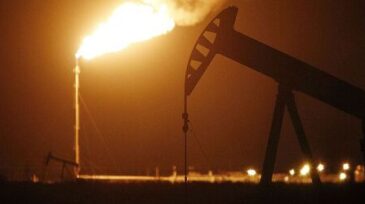
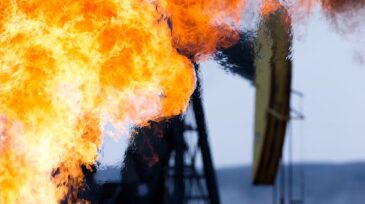
The Texas Railroad Commission’s chairman has said the commission will look into policies to “drastically reduce” natural gas flaring from the state’s shale patch as investors become increasingly sensitive to climate-change concerns.
-
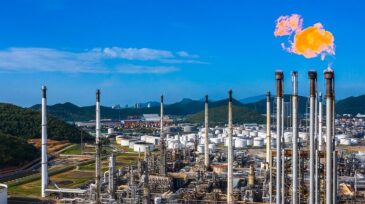
A billion-dollar fund will be available for innovations in flare minimization, venting elimination, fugitive-emissions reduction, and complete combustion.
-
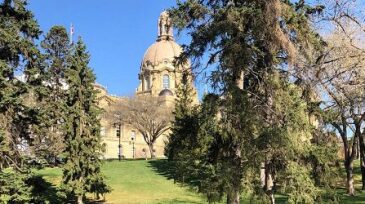
After years of negotiations, the province announced that it had reached a preliminary agreement with the federal government that it calls a “major step toward providing Alberta’s oil and gas industry a single set of strong rules to reduce methane emissions and protect the environment.”
-
A preliminary estimate from the US National Oceanic and Atmospheric Administration finds that levels of atmospheric methane, a potent heat-trapping gas, have hit an all-time high.
-
As studies point to increased emissions, ExxonMobil is stepping up efforts to detect and mitigate methane release.
-
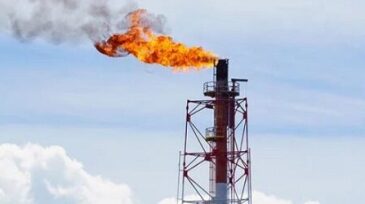
Instead of burning money, why not make electricity? This is the big pitch being made by a growing number of technology companies who see green every time they see a red-hot flare burning associated gas.
-
Remote sensing technologies can be applied for a wide range of gas-leak flow rates in three main cases—major leaks in crisis management, medium-size leaks in safety monitoring, and small leaks in environmental monitoring.