Permian Basin
-
 2018 has seen a wave of shale deals that are consolidating the landscape. While this one could be among the biggest, it is not yet final.
 -
Slumping oil prices may throw a wrench into a positive outlook for the global oilfield services and equipment industry. Even if prices rebound, complications in the US fracturing market—and elsewhere—are expected to persist.
-
Production and proved reserves in the Permian Basin’s Wolfcamp Shale and Bone Spring Formation are reaching new heights, and a new assessment from the US Geological Survey indicates the industry is just scratching the subsurface when it comes to what may be technically recoverable.
-
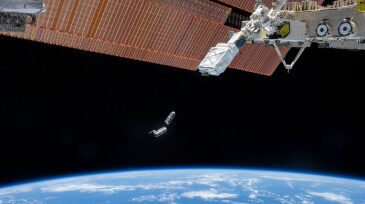
Companies are bringing satellite monitoring to the unconventional oilfield—namely the Permian Basin—where they are training machine learning models to track and predict drilling and completions work.
-
Proved oil and gas reserves in the US have spiked to levels not seen before, the EIA reports, and one of the main drivers is the Permian’s Wolfcamp-Bone Spring Shale.
-
The ideal well spacing is in the eye of the beholder. The decision depends on so many factors that machine learning is now trying to determine the best combination of ingredients.
-
The rebrand follows the completion of BP’s $10.5-billion purchase of BHP’s assets in the Permian, Eagle Ford, and Haynesville.
-
The SPE Liquids-Rich Basin Conference in Midland, Texas, merged topics that have dominated recent industry discussions: technologies centered on big data, interwell communication, and Permian Basin production.
-
The two biggest oilfield services providers are enjoying a rebound in international activity but continue to struggle with a softening US shale completions market. While takeaway constraints will be temporary, steep shale production declines may emerge as a longer-term challenge.
-
When it came to decide where to collect a critical sample of fractured rock, a new method for turning microseismic data into a heat map designed to display the most intense fracturing activity was considered.