

Strait of Hormuz
-
 The shale revolution, the Paris Agreement, and the global pandemic each transformed energy markets. Now, industry leaders say energy pragmatism is emerging.
 -
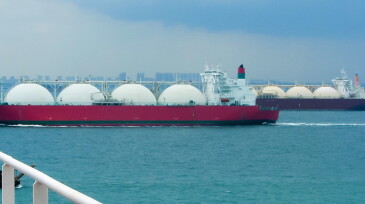
Increased capacity from new terminals and expansions drove up exports of liquefied natural gas at the quickest rate since 2016.
-
Crude benchmarks spiked amid concerns that the US-Iran ceasefire is collapsing as commercial shipping comes under renewed attack.
-
Disputes over tanker fees and the ongoing military operation in Lebanon represent potential fault lines for the tentative peace deal.
-
Expected to be commissioned in 2027, the new pipeline will double the UAE's current capacity of 1.8 million B/D of crude that can be transported beyond the contested waterway.
-
Analysis from Wood Mackenzie warns that a prolonged closure of the critical waterway would have lasting effects on the global economy and Middle East supply capacity.
-
Analysts weigh near‑term risks for Middle East oil and gas producers after a tentative 2‑week ceasefire between the US‑Israeli coalition and Iran.
-
Conflict‑driven price gains may be offset by higher costs, supply‑chain risks, and a limited appetite for new drilling activity.
-
Members of the International Energy Agency said they would make available 400 million bbl from emergency reserves amid market disruptions.
-
Drone strikes, refinery shutdowns, tanker disruptions, and halted LNG production have heightened concerns about broader supply risks.





Page 1 of 2