

Texas Railroad Commission
-
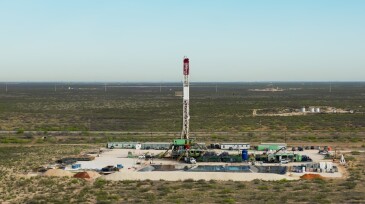
 The Pawnee Carbon Sequestration Project, which would use a repurposed well, is planned to capture and store up to 400,000 tonnes of carbon dioxide, with first injection targeted for early 2027.
-
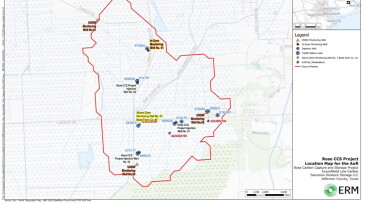
In a 2-1 vote, The Texas Railroad Commission approved the Rose carbon capture and storage project in Southeast Texas, which is planned to store up to 5 million tonnes of carbon dioxide per year.
-
The ruling means the state will take over permitting and enforcement of EPA regulations pertaining to all classes of wells, including injection wells for carbon dioxide storage.
-
Texas lawmakers passed a suite of bills that officials said are crucial to combat losses in the state’s largest oil field.
-
Across Texas, abandoned wells are erupting with chemical-infused liquid and some have created massive lakes of contaminated water. Regulators say they need more money to address the problem.
-
The Texas Railroad Commission is revisiting the state’s primary oil and gas waste regulations, which were last updated in 1984, to better align them with modern industry practices and rising demands for stronger environmental protections.
-
Texas regulators are taking public comment about how they should implement an EPA rule to reduce methane leaks from the oil and gas industry.
-
The chair of the Texas Railroad Commission is defending her seat this November at a time when the state’s oil and gas industry is booming but the agency that regulates it is facing criticism over safety concerns.
-
The 5.2-magnitude earthquake is tied for the fourth strongest in Texas history. It occurred in an area where oilfield companies have long been injecting waste water.
-
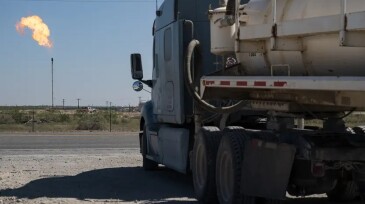
State regulators raise doubts about natural gas flaring permits but rarely reject them.





Page 1 of 3