AI/machine learning

This research focuses on combining physics-based expert rules with machine learning to improve the detection of failure-related events in electrical submersible pumps.

A combination of physics principles and machine-learning techniques is used in this work to develop a virtual flowmeter for oil-production optimization in electrical-submersible-pump-lifted oil wells, resulting in reliable generalization.

This paper presents the deployment of an artificial intelligence-enabled autonomous gas lift optimization system, integrating real-time centralized advanced process control with cloud-based analytics to enhance artificial gas lift performance in producer wells.
-
 A new detection and alerting methodology, validated on more than 100 North America onshore wells, blends well information and real-time data to determine a probabilistic belief system. An operator used the system to detect, predict, and alert rig crews to washouts and pump failures.
 -
This paper demonstrates the viability of a production-data-classification approach adapted from real-time face detection for identifying restimulation candidates.
-
Unstructured data, such as process logs, safety reports, and public records, make up the bulk of data produced from the oil field. Emerging NLP technology has been designed to help make sense of this data, enabling better insights into near-accidents.
-
DNV GL has published a paper to support the safe use of artificial intelligence. The paper asserts that data-driven models alone may not be sufficient to ensure safety and calls for a combination of data and causal models to mitigate risk.
-
Machine learning and artificial intelligence technology offer offshore operators the chance to automate high-cost, error-prone tasks to avoid the effects of inconsistency and errors in analysis, improving efficiencies and safety.
-
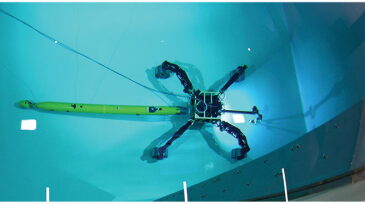
Technologies are being developed that have the potential to support marine mining in all stages from prospection to decommissioning. These developments will likely have substantial influence in the oil and gas industry, itself searching for ways to maximize exploitation of assets.
-
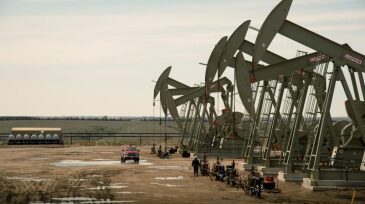
Hundreds of rod-lift wells in North Dakota are about to get a big upgrade.
-
A recent research effort has shown that the digital journey is full of stumbling blocks. Just like humans, advanced computing technology will get some things right and some things wrong.
-
The company behind the world’s most popular search engine is trying to click with the upstream business at the most distinguished technical event of the year.
-
The perceived change stemming from the spread of machine learning and artificial intelligence can feed alarming predictions about massive job losses, but replacement of humans is a low priority among organizations implementing these technologies.