AI/machine learning

This research focuses on combining physics-based expert rules with machine learning to improve the detection of failure-related events in electrical submersible pumps.

A combination of physics principles and machine-learning techniques is used in this work to develop a virtual flowmeter for oil-production optimization in electrical-submersible-pump-lifted oil wells, resulting in reliable generalization.

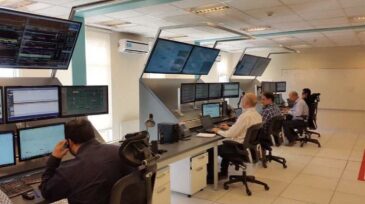
This paper presents the deployment of an artificial intelligence-enabled autonomous gas lift optimization system, integrating real-time centralized advanced process control with cloud-based analytics to enhance artificial gas lift performance in producer wells.
-
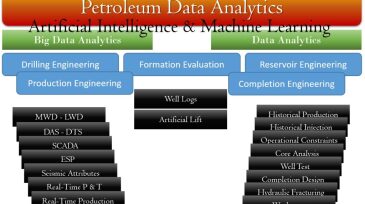
 Just because they both deal with data does not mean they are the same.
 -
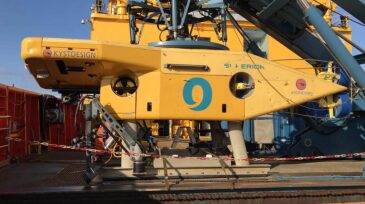
Sensors, robots, and artificial intelligence have made their way into a number of areas within the industry, including pipeline inspections. Shell has begun to examine the innovative technologies that could shift the inspection paradigm.
-
Disruption from artificial intelligence (AI) is here, but many company leaders aren’t sure what to expect from AI or how it fits into their business model. Yet, with change coming at breakneck speed, the time to identify your company’s AI strategy is now.
-
When Google claimed quantum supremacy, IBM challenged it. Nonetheless, the development is really important for the future of artificial intelligence.
-
The sixth annual Deep Learning Summit in London saw industry leaders, academics, researchers, and innovative startups present the latest technological advancements and industry application methods in the field of deep learning.
-
Deep learning is good at finding patterns in reams of data but can't explain how they're connected. Turing Award winner Yoshua Bengio wants to change that.
-
The controller from Olis will be distributed and supported by iCsys and is expected to increase efficiency and decease costs.
-
YPF’s data analytics experts are eagerly seeking partnerships with oilfield operations experts who can help blend elegant data analysis with the messy reality of oil production.
-
What is the effect of the reservoir type on the application of AI and ML in reservoir and production modeling?
-
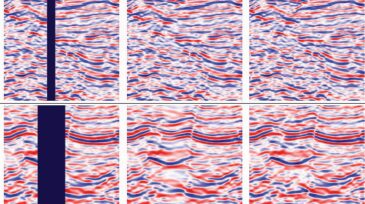
Seismic imaging provides vital tools for the exploration of potential hydrocarbon reserves and subsequent production-planning activities. The acquisition of high-resolution, regularly sampled seismic data may be hindered by physical or financial constraints.