AI/machine learning

This research focuses on combining physics-based expert rules with machine learning to improve the detection of failure-related events in electrical submersible pumps.

A combination of physics principles and machine-learning techniques is used in this work to develop a virtual flowmeter for oil-production optimization in electrical-submersible-pump-lifted oil wells, resulting in reliable generalization.

This paper presents the deployment of an artificial intelligence-enabled autonomous gas lift optimization system, integrating real-time centralized advanced process control with cloud-based analytics to enhance artificial gas lift performance in producer wells.
-
 Machine-learning methods have gained tremendous attention in the last decade. The underlying idea behind machine learning is that computers can identify patterns and learn from data with minimal human intervention. This is not very different from the notion of automatic history matching.
 -
While both are raw resources, data is reusable. A CERAWeek panel said infrastructure and cultural change are needed to drive the transformative value of data.
-
HSE data is ever growing, especially in high-risk industries. So, how can you apply data science and artificial intelligence to help see beyond current practices and gain even greater insights into safety data?
-
In this study, the authors investigated a fully data-driven approach using artificial neural networks (ANNs) for real-time virtual flowmetering and back-allocation in production wells.
-
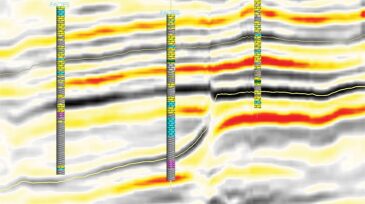
This paper discusses a project with the objective of leveraging prestack and poststack seismic data in order to reconstruct 3D images of thin, discontinuous, oil-filled packstone pay facies of the Upper and Lower Wolfcamp formation.
-
Neural networks can be as unpredictable as they are powerful. Now mathematicians are beginning to reveal how a neural network’s form will influence its function.
-
A study of 25 years of artificial-intelligence research suggests the era of deep learning may come to an end.
-
In 2015, the United Nations ratified the 2030 Sustainable Development Goals. Technology will be critical in the pursuit of these ambitious targets, but the pace and scale of change creates risks that humanity must take very seriously.
-
Leading corporations seem to be failing in their efforts to become data-driven. This is a central and alarming finding of NewVantage Partners’ 2019 Big Data and AI Executive Survey.
-
BP Ventures has invested $5 million in Belmont Technology’s Series A financing to further bolster BP’s artificial intelligence and digital capabilities in its upstream business.