AI/machine learning

This research focuses on combining physics-based expert rules with machine learning to improve the detection of failure-related events in electrical submersible pumps.

A combination of physics principles and machine-learning techniques is used in this work to develop a virtual flowmeter for oil-production optimization in electrical-submersible-pump-lifted oil wells, resulting in reliable generalization.

This paper presents the deployment of an artificial intelligence-enabled autonomous gas lift optimization system, integrating real-time centralized advanced process control with cloud-based analytics to enhance artificial gas lift performance in producer wells.
-
 This paper delves into the evolving landscape of drilling automation, emphasizing the imperative for these systems to go beyond novelty and deliver quantifiable financial value.
 -
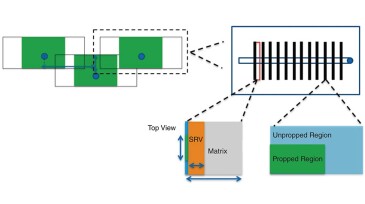
This paper presents a workflow that combines probabilistic modeling and deep-learning models trained on an ensemble of physics models to improve scalability and reliability for shale and tight-reservoir forecasting.
-
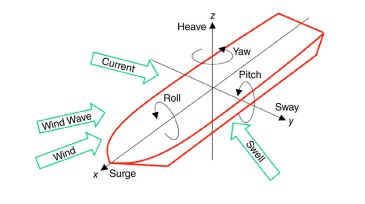
This paper describes a new application that leverages advanced machine-learning techniques in conjunction with metocean forecasts to predict vessel motions and thruster loads.
-
Collaboration and technology will help the industry meet its toughest challenges, experts said during the opening session at ATCE.
-
Accuracy, complexity, costs, and skills availability may make it difficult to get the most out of digital twins and even potentially misrepresent or miss actual changes in the status of systems or facilities.
-
The new contract extends a decadelong relationship and expands the use of AI and digital twins.
-
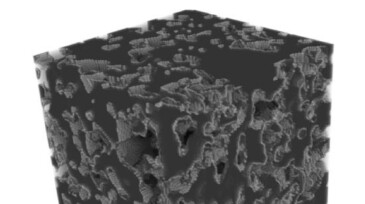
This paper presents a novel modeling framework for predicting residual oil saturation in carbonate rocks. The proposed framework uses supervised machine learning models trained on data generated by pore-scale simulations and aims to supplement conventional coreflooding tests or serve as a tool for rapid residual oil saturation evaluation of a reservoir.
-
You’ve heard of generative artificial intelligence, and odds are you’ve used it. But do you know how it works?
-
The firm’s latest report, Leading a Data-Driven Transition, presents the results of its annual survey of nearly 1,300 senior professionals and divides the respondents into two groups, which it calls “digital leaders” and “digital laggards.”
-
The industry is balancing brains and bots as it squeezes out barrels of oil production.