Artificial lift
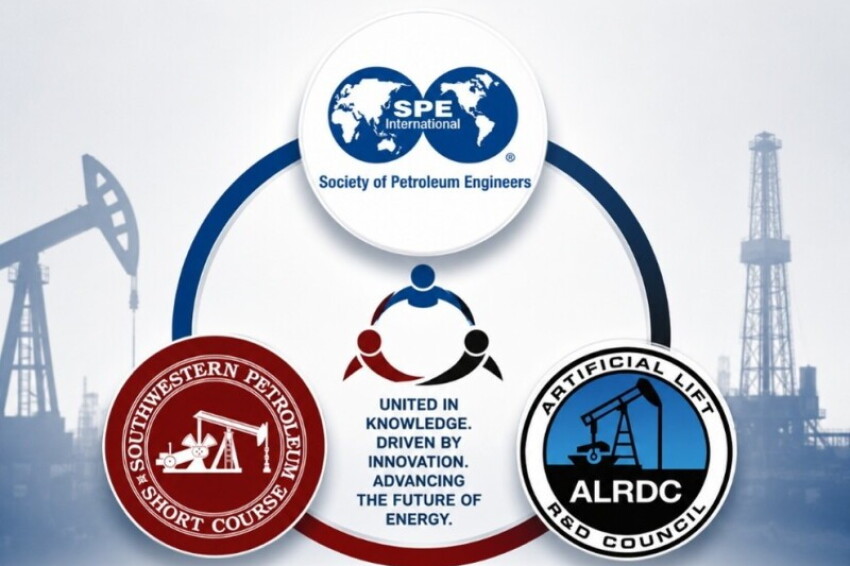
This article from the SPE Artificial Lift Technical Section highlights a positive reality of our industry, one that centers on connecting and collaborating for success.

This case study describes how edge computing and industrial internet of things platforms were deployed to automate and optimize production operations across four distinct basins.
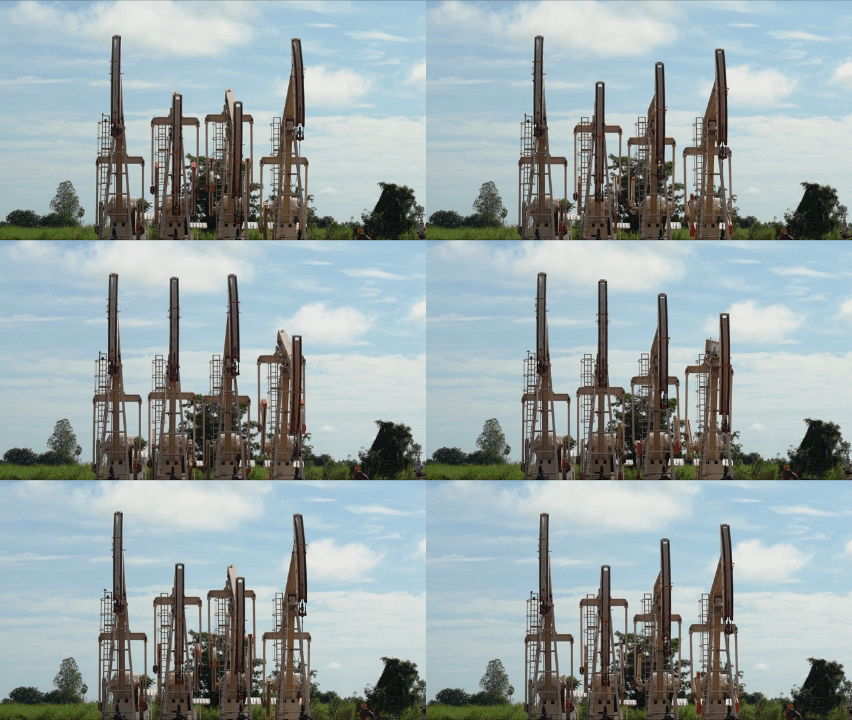
This paper proposes a novel, real-time pump failure prediction method using machine learning with scaled load ratio to accurately predict pump failures using only surface pump load data.
-
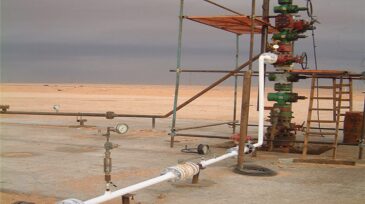
 Hassi Messaoud is a mature oil field with more than 1,100 production wells. Approximately half of the wells are natural flow and the other half use continuous gas lift (CGL) with concentric (CCE) strings.
 -
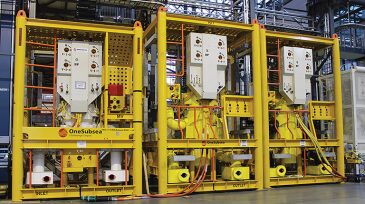
The first subsea multiphase boosting system was installed in 1994. Since then, it has grown into a technology with a global track record.
-
Using maglev technology, a new artificial lift system seeks to boost production output by sucking down reservoir pressure from inside the wellbore and from inside the reservoir.
-
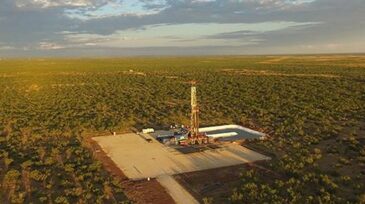
Permian Basin operators and service companies met to discuss completions diagnostics, flowback strategies, water management, and artificial lift strategies.
-
This paper presents an analytics solution for identifying rod-pump failure capable of automated dynacard recognition at the wellhead that uses an ensemble of ML models.
-
Aker Solutions and FSubsea have agreed to a joint venture, named FASTSubsea, to help operators increase oil recovery.
-
This paper covers the staged field-development methodology, including analysis and evaluation of various development concepts, that enabled the company to optimize both completion design and artificial-lift selection, reducing downtime and lowering operating costs by nearly 50%.
-
The performance of artificial-lift systems on horizontal wells is greatly influenced by both the volume of gas produced and the tendency for gas slugging.
-
Of the many steps in the journey toward maximizing run life, the first steps should be to identify the system requirements and communicate those to the vendor. This can be challenging, because operators and suppliers often speak different languages. Fortunately, international standards can help.
-
Electrical-submersible-pump (ESP) technology is a proven artificial-lift method for shallow, low-pressure reservoirs such as those found in the West Sak viscous oil field in Alaska.