Artificial lift
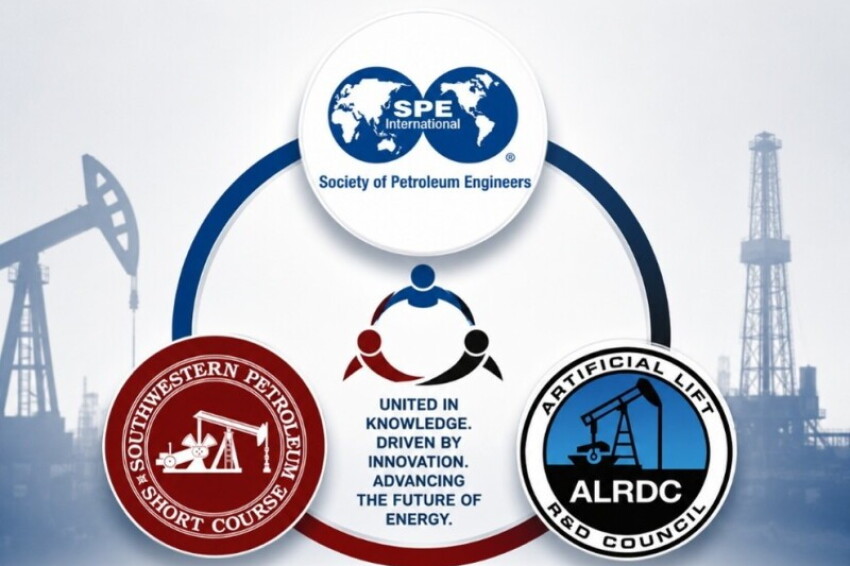
This article from the SPE Artificial Lift Technical Section highlights a positive reality of our industry, one that centers on connecting and collaborating for success.

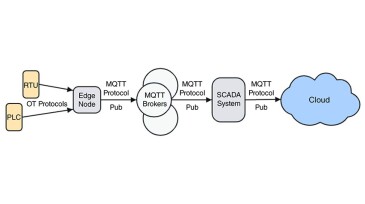
This case study describes how edge computing and industrial internet of things platforms were deployed to automate and optimize production operations across four distinct basins.
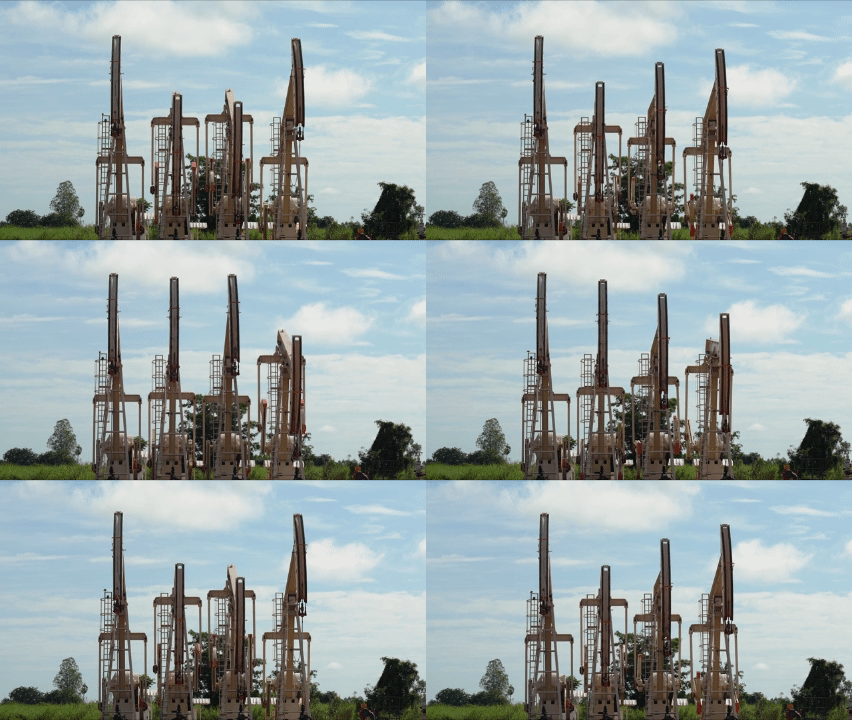
This paper proposes a novel, real-time pump failure prediction method using machine learning with scaled load ratio to accurately predict pump failures using only surface pump load data.
-
 This paper presents a closed-loop iterative well-by-well gas lift optimization workflow deployed to more than 1,300 operator wells in the Permian Basin.
 -
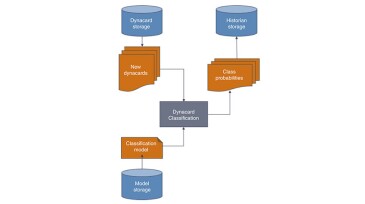
This paper explores the use of machine learning in predicting pump statuses, offering probabilistic assessments for each dynacard, automating real-time analysis, and facilitating early detection of pump damage.
-
The accelerating deployment of machine learning and automation is changing the artificial lift landscape. By embedding intelligence into the control loop, operators now can move from reactive decision-making to proactive, continuous optimization.
-
A 2D computational fluid dynamics model is extended to a 3D submodel and validated to provide detailed information on the state of the standing valve as a function of time to assist in sucker rod pump design and operation.
-
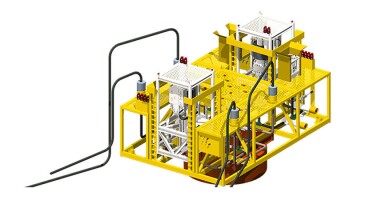
By closely monitoring its subsea boosting system, Shell extended maintenance intervals and safely postponed pump replacement at its ultradeepwater Stones field.
-
The use of real-time wireless downhole pressure gauges proved a valuable alternative to workover operations in two onshore fields in Iraq.
-
In the wake of the falling number of exploratory wells in the country, Brazil-owned Petrobras addressed audience concerns as well as outlined new avenues for production at the Offshore Technology Conference.
-
Three case studies consider the gas-related reasons electrical submersible pumps fail in unconventional shale environments.
-
Whether it’s reviving inactive gas-condensate wells or identifying overlooked reserves in brownfields, operators are making the most of older wells and fields.
-
SponsoredElectrical submersible pumps (ESPs) are the backbone of artificial lift operations, enabling the extraction of hydrocarbons from challenging reservoirs. However, their effectiveness is often compromised by the extreme downhole environment, characterized by soaring temperatures, high pressures, and exposure to aggressive fluids.