Business/economics
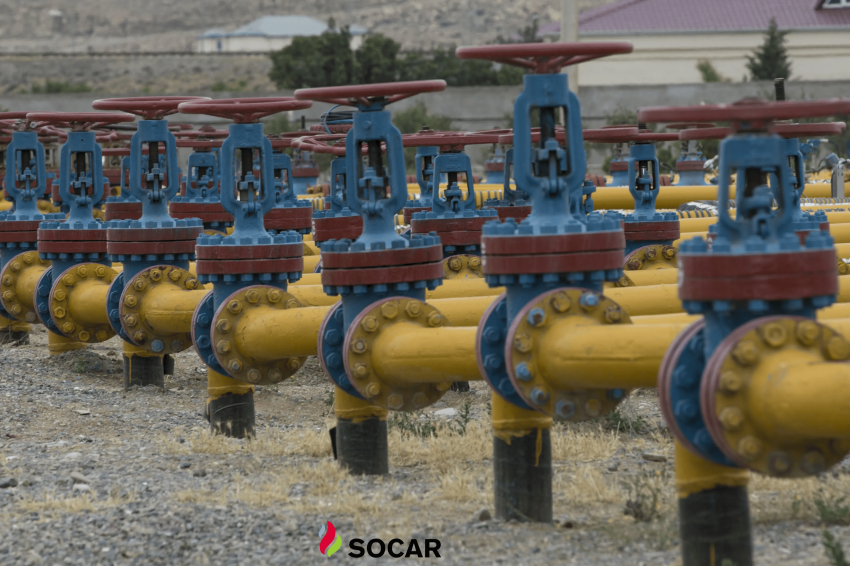
After a decade and a half of declining production, Uzbekistan, ranked 15th worldwide in gas output, has been seeking foreign partners to revive and reverse the fortunes of its oil and gas industry.

While often associated with smaller discoveries, subsea tiebacks are playing a growing role in contributing to the broader energy mix.

The Houston-based enhanced geothermal developer scored $1.9 billion in an initial public offering, positioning it to expand projects in Utah and Nevada.
-
 It has now been nearly 3 months since the one-two punches of an unprecedented modern-day pandemic and a free fall in oil prices due to the oversupply of oil resulting from a tremendous, sudden drop in demand.
 -
Nymex WTI crude opened Monday on track for its worst day on record, falling nearly 40% to $11.05/bbl on the back of excess supply vs. low demand and dwindling storage capacity.
-
A new report shows that the worst of the ongoing downturn may be soon over. A gradual recovery to global oil markets is expected to begin in the next few weeks.
-
The planned JV is for one of three LNG terminals GCL is planning to build in China.
-
The deal is part of the company’s divestment program targeting proceeds of $5 to 10 billion between 2018 and 2020.
-
Not everybody suffers when US oil producers slash production. Among the beneficiaries could be US gas producers who will benefit because less oil production will mean a lot less gas on the US market.
-
Exploration commitments are expected to dwindle in the current market environment.
-
Both platforms offshore assets were shut in following a leak in ExxonMobil's 100,000 B/D pipeline system.
-
Reductions will begin next month and last until June. After that, major oil producers around the world plan to step down from the cuts in phases that extend to 2022.
-
The firm said it will be “restructuring” to “right size its operations” for a slowing market without mentioning how that will affect its workforce. It also says its two major lines of business are worth less than previously estimated.