Business/economics
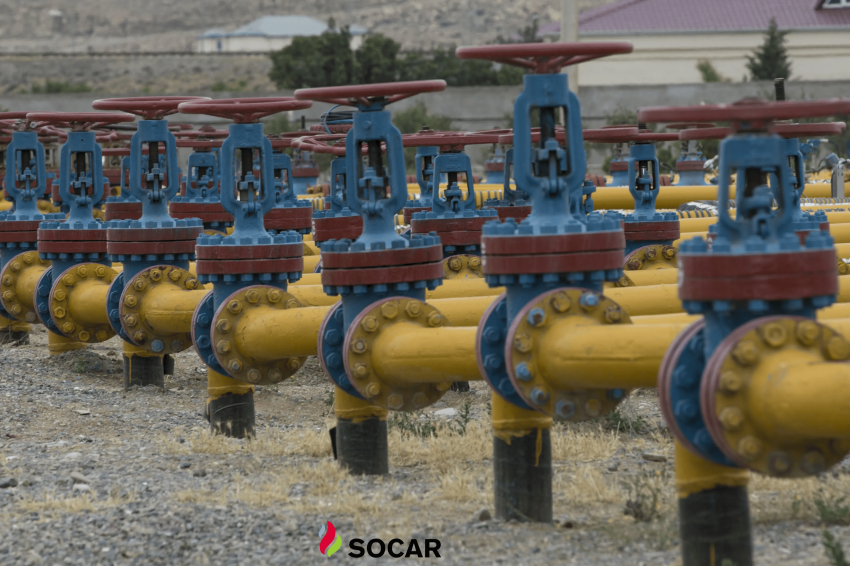
After a decade and a half of declining production, Uzbekistan, ranked 15th worldwide in gas output, has been seeking foreign partners to revive and reverse the fortunes of its oil and gas industry.

While often associated with smaller discoveries, subsea tiebacks are playing a growing role in contributing to the broader energy mix.

The Houston-based enhanced geothermal developer scored $1.9 billion in an initial public offering, positioning it to expand projects in Utah and Nevada.
-
 With oil prices at historic lows and with COVID-19 supply chain disruptions, the time has come to evaluate supply chain and procurement strategies, sourcing techniques, and costs.
 -
Westwood Global Energy’s analysis looks at production, cost, and revenue estimates in the UK and Norway, should oil prices remain low. The research group also provided an outlook on drilling activity.
-
ExxonMobil and Halliburton made additional cuts in spending and personnel.
-
Energy research groups Wood Mackenzie and Rystad Energy say improvements in operations costs since the last downturn 5–6 years ago have made it difficult for companies to make further reductions amid the current drop in demand.
-
Results of the survey will provide support for the UK’s initiatives to help businesses affected by the industry downturn and the COVID-19 pandemic.
-
Golden parachutes typically pay executives big money if they are fired without cause. Whiting Petroleum executives found a way to collect theirs for staying on board after the company they led filed for bankruptcy.
-
UK North Sea oil and gas production is set to be maintained at normal levels despite the industry moving to "minimal manning" of offshore facilities in the face of the COVID-19 pandemic, trade body Oil and Gas UK's health and safety director, Trevor Stapleton, said.
-
Amid continued health and travel concerns, the OTC Board of Directors felt this decision was the most feasible and responsible.
-
The drop in gas prices, although greater than forecast, will not be to the same extent as oil prices.
-
Most history-matching studies have fixed resources—that is, the team of engineers and geoscientists is predetermined. Moreover, the deadlines are always very strict. This constrained scenario often leads to an unfortunate result: The quality of the study suffers.