Business/economics

The next wave of unconventional growth will likely come from basins in Argentina, the Middle East, Australia, and elsewhere, fueled by expertise gained from shale plays in North America.
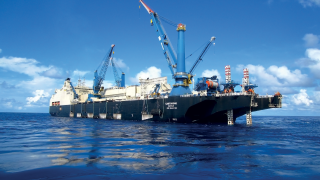
The $5.1 billion ultradeepwater project is Angola’s first integrated cross-block development and sits at the top of Azule’s Southern African portfolio.

The Federal Reserve Bank of Dallas’ second-quarter energy survey reports improved business conditions, despite a mixed outlook on oil prices and input costs.
-
 Westwood Energy analysts suggest operators have an opportunity to secure rigs at lower rates for their 2027 drilling programs.
 -
Proposed and final notices of sale represent nearly 80 million acres in the Gulf of Mexico and approximately 1 million acres in Alaska’s Cook Inlet.
-
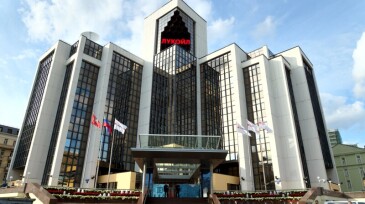
The US and UK sanctioned Russian independent Lukoil International and state-owned Rosneft in a bid to pressure Russia over Ukraine.
-
Ranger acquires American Well Services for $90.5 million, adding 39 workover rigs and boosting its fleet by 25%.
-
Even as industry faces policy and tariff uncertainty, companies view spending on digital transformation as a driver of efficiency.
-
In lifting force majeure, TotalEnergies says it will restart construction on its Mozambique LNG project as soon as the government agrees to a revised budget and schedule that targets shipping first product in 2029.
-
A new Eni/Petronas venture is targeting 500,000 BOE/D in output from combined upstream portfolios across Malaysia and Indonesia.
-
The merger creates one of the largest oil-focused independents in the US with output of 526,000 BOE/D.
-
BPX Energy will retain operatorship of the assets after the sale of its interests to private investment firm Sixth Street is complete.
-
SPE and The Open Group have signed a memorandum of understanding to advance collaboration and innovation in the global energy industry.