Completions

This case study presents a procedure in which the operator compared production from wells with adjusted wettability to a control group, finding that the adjustments resulted in significant improvements in production and reductions in produced water.
Output is rising fast in the South American shale play and putting Argentina on a course to soon reach 1 million B/D.

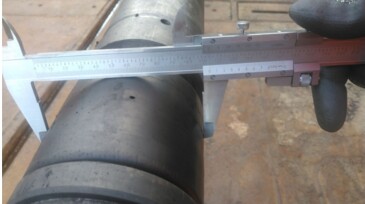
This paper introduces in-pipe inspection technologies enabling high-resolution digital measurements of tubular internal diameter and wall thickness for critical downhole applications.
-
 As US shale potentially stares at a production plateau, operators and service providers are turning to smarter tools to extend the life of aging plays.
 -
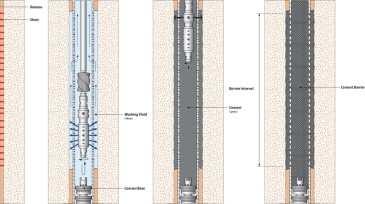
This paper presents a comprehensive literature review of perforate, wash, and cement techniques that compares new methods with traditional ones and uses field cases and computational fluid dynamics to find the most cost- and time-effective practices without sacrificing safety.
-
This paper describes the use of coiled tubing in a pilot project for carbon dioxide injection, enabling evaluation of the conversion of an existing oil field for CCS purposes and derisking storage-development uncertainties before having to cease hydrocarbon production.
-
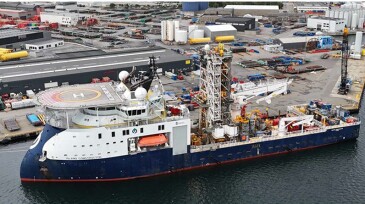
This paper describes the first riserless coiled tubing services operation performed in a live subsea well and the associated improvements in efficiency, cost savings, and safety.
-
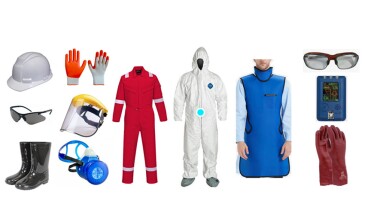
This paper describes a case history in the UAE in which the cleanout of scale contaminated with naturally occurring radioactive material was conducted successfully.
-
The authors of this paper describe a method of stimulating a multizone hydrocarbon-producing well wherein a tool is deployed downhole by wireline to generate acid vapor at a target depth, allowing each interval to be treated uniquely.
-
New strides in computer vision, well controls indicators, and BOP alignment were showcased at the recent Offshore Technology Conference.
-
Modern completions often are equipped with downhole measurement devices that provide critical real-time data not only during the hydraulic fracturing treatment but also during the ensuing production phase.
-
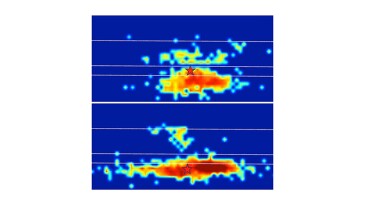
In this work, microseismic observations are integrated with strain and other observations to investigate the microseismic response in relation to the underlying hydraulic fracture geometry for different rock types.
-
This year’s Acidizing feature presents three SPE conference papers that discuss an important battlefront of enhanced production—carbonate reservoirs, those plays whose heterogeneity, reactivity, and flow behavior pose challenges that remain comparatively little-understood, despite the industry’s intensified efforts to maximize their output.