Completions

This paper presents a study that confirms glass-reinforced-epoxy-lined tubing as a reliable, cost-effective solution for long-term water-injection service in moderate-salinity offshore environments.

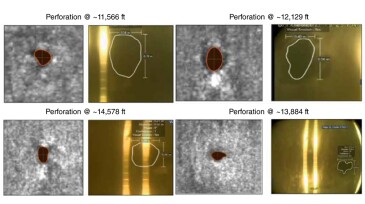
This paper introduces in-pipe inspection technologies enabling high-resolution digital measurements of tubular internal diameter and wall thickness for critical downhole applications.
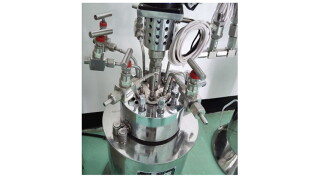
This study aims to systematically assess casing integrity and corrosion risks associated with CO2 injection in oil-recovery operations.
-
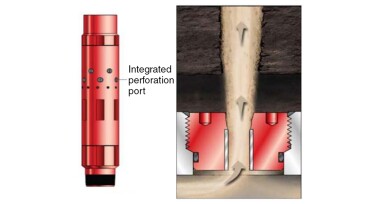
 The authors describe a casing-leak-repair alternative to allow continued hydraulic fracturing of an unconventional formation.
 -
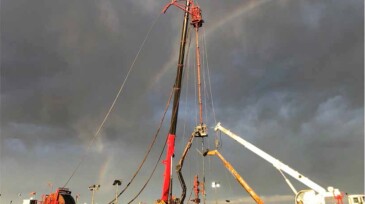
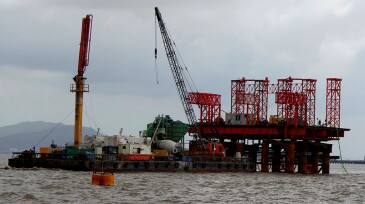
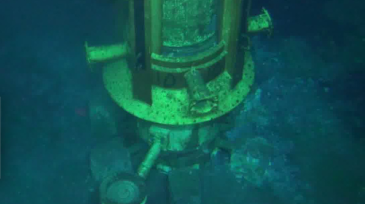
The authors describe coiled tubing operations that used a riser on a monohulled vessel already performing riserless interventions.
-
In this paper, a comparison is presented of the range of production outcomes for Clair Phase 1 and Clair Ridge, including the potential downsides of relying on natural fractures.
-
This paper presents a novel mathematical model for design and evaluation of fluoroboric acid treatments that takes into account the chemical kinetics and equilibrium aspects of important reactions and fluid flow inside the reservoir rock.
-
Coiled tubing has a key role to play, with strong arguments for itself: It is used throughout the life of a well, from exploration to abandonment, and its flexibility of use, combined with recent technology developments in pipe materials, real-time downhole telemetry, and specialized downhole tools—just to name a few—opens avenues to perform in a rigless manner many o…
-
The first acid job dates to 1895. Challenges remain, however, when it comes to lithology, coverage, penetration, and management of reaction products. These themes remain a focus for stimulation engineers.
-
When there are two ways to measure something, and they offer significantly different numbers, which do you use?
-
Fracture monitoring to optimize fluid volumes and designs remains a critical area of development. Research is ongoing with the focus on combining different monitoring technologies including tracers, fiber optics, downhole cameras, and microseismic monitoring.
-
The second phase of the project will analyze data gathered in Phase 1, with the goal of improving riser, wellhead, and conductor fatigue estimates.
-
SponsoredThis Q&A highlights the benefits of AI and ML to automate work flows and analyze data at a much faster rate—within minutes. These capabilities deliver a fit-for-basin approach designed specifically for US-centric work flows.