Completions

This paper presents a study that confirms glass-reinforced-epoxy-lined tubing as a reliable, cost-effective solution for long-term water-injection service in moderate-salinity offshore environments.

This paper introduces in-pipe inspection technologies enabling high-resolution digital measurements of tubular internal diameter and wall thickness for critical downhole applications.
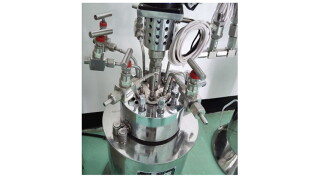
This study aims to systematically assess casing integrity and corrosion risks associated with CO2 injection in oil-recovery operations.
-
 Fracturing hot rock to create a geological water-heating system is like fracturing an oil well, but for a different purpose, so is proppant really necessary?
 -
When confronted by extremely hot wells drilled into hard rock, engineers start looking for new tools and then ask, is there a cheaper option?
-
EcoShield also reduces carbon footprint of well construction over traditional cement systems.
-
From refracturing old wells to ones that don’t have to be fractured at all, notable producers argue that experiments are paying off.
-
Over 1,000 hours of remotely monitored continuous production was achieved on an unmanned platform—a first for standalone offshore solids management in the North Sea.
-
The authors of this paper describe the development of a continuous monitoring solution throughout its deployment.
-
The SPE Hydraulic Fracturing Technology Conference and Exhibition is being held 31 January–2 February in The Woodlands, Texas.
-
Moving into 2023, perhaps it will be safe to say that the era of the low-carbon energy mix has begun as the primary energy production landscape is changing fast. Until now, fossils fuels have dominated, and may still for the next few years dominate, the energy mix; however, a shift is taking place that will gain momentum, driven by global efforts toward addressing cli…
-
The authors of this paper describe a software technology that balances calculated well-integrity risk with the associated financial impact for an entire integrity-surveillance program.
-
The authors of this paper investigate the risk of containment loss for a leaking well using a 1-sq-mile section of the Denver-Julesburg Basin.