Completions

This paper presents a study that confirms glass-reinforced-epoxy-lined tubing as a reliable, cost-effective solution for long-term water-injection service in moderate-salinity offshore environments.

This paper introduces in-pipe inspection technologies enabling high-resolution digital measurements of tubular internal diameter and wall thickness for critical downhole applications.
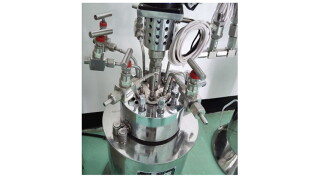
This study aims to systematically assess casing integrity and corrosion risks associated with CO2 injection in oil-recovery operations.
-
 The authors have investigated the effect of perforation hole size, geometry, and shape on the coefficient-of-discharge value at ambient conditions and with backpressure, before and after sand erosion.
 -
The paper reviews 25 well interventions in fields in the Bolivian Sub-Andean Basin, which are remote and difficult to access. The producing zones include the country’s most challenging wells with depths of up to 26,000 ft.
-
A growing volume of free data and reports from US shale fracturing test sites is available, with more on the way.
-
SponsoredWell monitoring hasn’t been easy. But it’s something that has to be done. Remote oil and gas wells are notoriously difficult to monitor. But new technology may make them some of the most advanced sites out there.
-
A major issue facing many production engineers is sand management. There are many obstacles equipment hasn’t historically been able to overcome and prolonged use is costly.
-
A lot has been learned about shale, but those working to eke out oil from that ultratight rock still extract more value from data than physics.
-
Schlumberger talks about options for improving remote operations of the many valves involved in the various activities occurring simultaneously on a multi-well pad.
-
Shale producers have learned in recent years that their fracture plugs may not be holding up as well as they thought. One of the first operators to realize the true scope of the issue is now sharing the pathway it took to solving it.
-
The supermajor would be the second to conduct a hydraulic fracturing pilot project in the country.
-
Ease of use and crowd-pleasing economics are driving US shale producers toward wet-sand completions. Chesapeake Energy is among the latest converts and explains why it wants to use wet sand on every new well.