Completions

This paper introduces in-pipe inspection technologies enabling high-resolution digital measurements of tubular internal diameter and wall thickness for critical downhole applications.
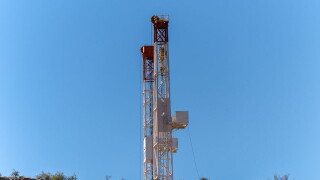
Output is rising fast in the South American shale play and putting Argentina on a course to soon reach 1 million B/D.

This case study presents a procedure in which the operator compared production from wells with adjusted wettability to a control group, finding that the adjustments resulted in significant improvements in production and reductions in produced water.
-
 A professor, whom the EPA charged with reviewing its 2016 study on hydraulic fracturing’s possible effects on drinking water, shared her observations on the process that led to the agency’s final conclusion.
 -
Good reservoir detective work costs money, but two studies show how it can help identify even more expensive problems.
-
Shale operators are working harder to get as much out of new wells as they did from older ones nearby.
-
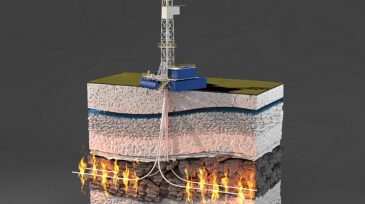
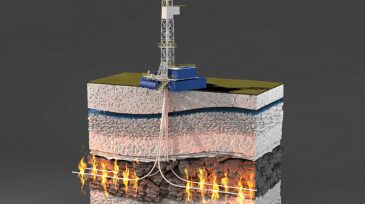
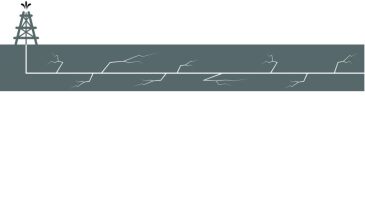
Widely held images of what happens when a well is fractured often bear little resemblance to what actually happens underground.
-
Stanford geoscientists have found a way to detect thousands of tiny tremors around hydraulic fracturing operations that could serve as predictors of eventual larger earthquakes.
-
Stanford geoscientists have found a way to detect thousands of tiny tremors around hydraulic fracturing operations that could serve as predictors of eventual larger earthquakes.
-
SPE Distinguished Lecturer Dan Tormey will present his peer-reviewed study of the environmental effects of hydraulic fracturing during a Web event scheduled for 8 March.
-
Schlumberger and Weatherford called off a joint venture, with Schlumberger buying Weatherford’s US fracturing assets outright.
-
Nonaqueous drilling fluids have been used extensively by the industry, particularly in complex drilling scenarios. They carry some concerns, however, with implications for well integrity.
-
Managed-pressure drilling (MPD) challenges the conventional drilling paradigm, along with drilling-contractor and operator policies and standards. Conventional drilling practices for connections, flow checks, tripping, and well control have been long understood and standardized.