Completions

This paper presents a study that confirms glass-reinforced-epoxy-lined tubing as a reliable, cost-effective solution for long-term water-injection service in moderate-salinity offshore environments.

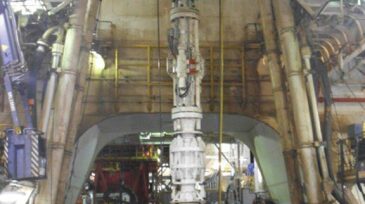
This paper introduces in-pipe inspection technologies enabling high-resolution digital measurements of tubular internal diameter and wall thickness for critical downhole applications.
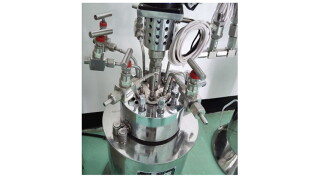
This study aims to systematically assess casing integrity and corrosion risks associated with CO2 injection in oil-recovery operations.
-
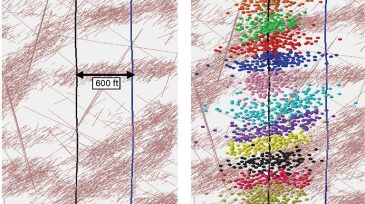
 The objective of this study is to validate the concept of using a seismically derived discrete fracture network (DFN) calibrated with borehole measurements, for complex-hydraulic-fracture modeling.
 -
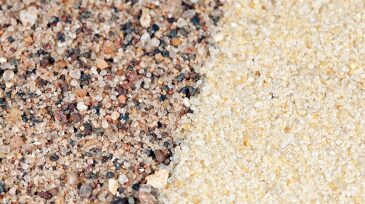
A look at techniques and technologies aimed at mitigating erosion issues from produced sand.
-
Always recorded but almost never used, the water hammer signal could offer completions engineers another set of insightful data if petroleum engineers can crack its code.
-
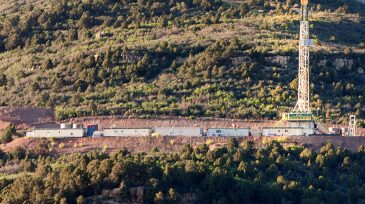
PDC’s president and CEO describes the company’s management strategy for its hydraulic fracturing operations in the Wattenberg Field and the Delaware Basin.
-
Permian Basin producer Callon Petroleum is attributing its data-driven approach to a routine completions practice to improved proppant placement and higher oil production.
-
Battlecat Oil & Gas ratcheted up on data, analysis, and technology to successfully develop unproven shale acreage.
-
New long-term contracts between offshore drillers and equipment makers reduce downtime and risks associated with key components, from blowout preventers to risers.
-
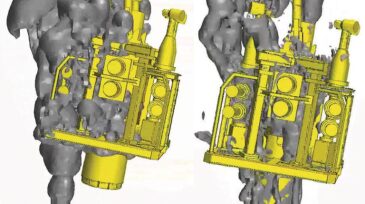
Developing a well-specific subsea-capping contingency plan involves assessing the feasibility of deploying a capping stack from a floating vessel, determining the weight and stability, and performing dynamic-flow simulations of closing the capping stack outlets.
-
This paper summarizes a wide variety of sandstone-acid-stimulation case histories, highlighting aspects such as mechanical conditions and operational practices.
-
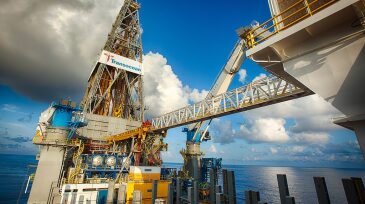
The unique properties of deepwater formations pose significant challenges to the capabilities of conventional drilling rigs. Using automated drilling equipment, including MPD, efficiency and cost savings can accompany safety.