Data & Analytics

Case studies from Devon Energy, ConocoPhillips, and others show how clever engineering and technology are being used to improve recovery and asset value.

Novel lift systems, AI-driven automation, and real-time engineering models are helping operators extract more value from mature wells.

This case study from Tomax outlines the use of artificial intelligence to analyze high-fidelity data of the full drilling process.
-
 Guest Editorial: 2025 Perspective: Digital Transformation in Oil and Gas—From Evolution to ShockwaveThe path forward is not just about automation—it is about augmentation. AI is not replacing human expertise; it is amplifying it. Those who master this balance will define the future of oil and gas in a rapidly evolving energy landscape.
-
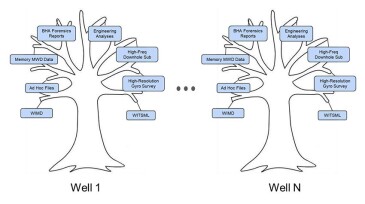
In the Marcellus, Repsol is slicing and dicing legacy data to evolve its completions strategy, while in the Permian, ExxonMobil is mastering the 4-mile lateral drillout using lessons learned.
-
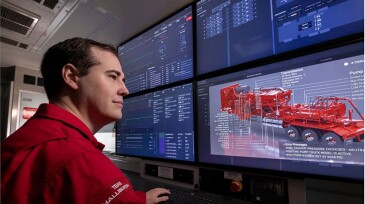
The service giant shares new details about its automated fracturing spreads that slash human operator workload by 88%.
-
The trial phase of the agentic program used AI agents and combined large-language-model technology with data collected from more than 15% of ADNOC’s onshore and offshore wells.
-
SLB said it plans to integrate INT’s technology into its digital data and artificial intelligence platforms.
-
Chevron’s announcement comes on the heels of ExxonMobil’s announcement in December of a similar project to deliver natural gas-fueled electricity to US data centers.
-
The authors make the case that data science captures value in well construction when data-analysis methods, such as machine learning, are underpinned by first principles derived from physics and engineering and supported by deep domain expertise.
-
These papers provided insights and advances into field-operations automation, machine-learning-assisted petrophysical characterization, and fluid-distribution analysis in unconventional assets.
-
This paper presents a complete digital workflow applied to several greenfields in the Asia Pacific region that leads to successful deep-transient-testing operations initiated from intelligent planning that positively affected field-development decisions.
-
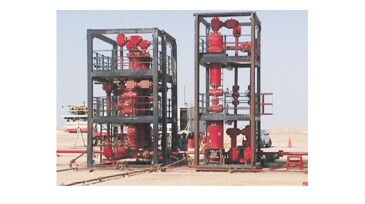
This study introduces a cleanup- and flowback-testing approach incorporating advanced solids-separation technology, a portable solution, equipment automation, improved metallurgy, and enhanced safety standards.