Data & Analytics

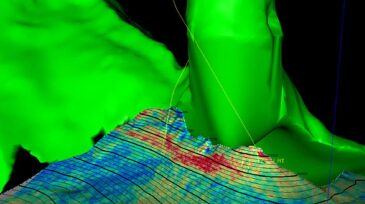
Working with Dell Technologies and NVIDIA, the French supermajor is targeting improved seismic processing and artificial intelligence applications.

A discussion at the inaugural executive breakfast convened by the SPE Data Science and Engineering Analytics Technical Section, held alongside CERAWeek by S&P Global and powered by Black & Veatch, tackled the challenge of value creation from artificial intelligence in the energy industry.

AI‑driven data center growth is straining US power grids and accelerating interest in enhanced geothermal systems as a scalable, low‑carbon solution.
-
 Like a fast-declining oil well, the value of propriety software is short-lived. Technological advances drive down the value of programs, many of which were never unique.
 -
Robots have been a part of industrial production for decades, but the interface between humans and robots has changed as automation technologies increased in complexity, scope, and scale. Once a novelty, collaborative robots are projected to become a significant element of the automation landscape.
-
While both are raw resources, data is reusable. A CERAWeek panel said infrastructure and cultural change are needed to drive the transformative value of data.
-
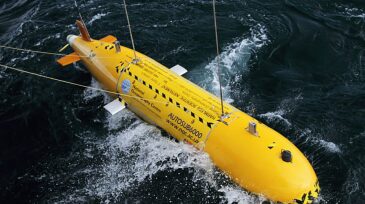
Scientists at the National Oceanographic Centre have released a review of how marine robotic capabilities can support the environmental monitoring needed for decommissioning oil and gas installations.
-
HSE data is ever growing, especially in high-risk industries. So, how can you apply data science and artificial intelligence to help see beyond current practices and gain even greater insights into safety data?
-
Woodside has invested in Sapien Cyber, a Western Australian company specializing in the protection and security of critical infrastructure.
-
Data volumes are growing at an exponential rate. How can high-performance computing solutions help operators manage these volumes? Will faster, stronger processors and cloud computing solutions be the answer?
-
The two technology startups aim to bring scale to the visual side of oilfield automation with a new deal that will cover 90% of US energy assets.
-
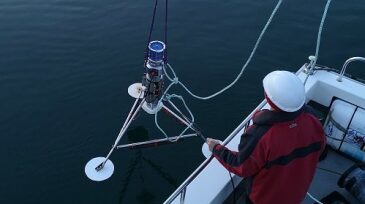
The company plans an innovative application of oceanographic instrumentation to maximize recovery at its Johan Sverdrup oil field in the North Sea.
-
Oil companies generate an enormous amount of data but are reluctant to share it. But more sharing of information may be required in the future to keep up with a rapidly changing energy landscape.