Data & Analytics

This article is the first in a Q&A series from the SPE Methane Emissions Management Technical Section (MEMTS) on methane intelligence and how oil and gas teams translate emissions data into credible decisions and measurable reductions.

This paper presents a robot integrated with a microcontroller that provides multiple functions to help with data logging, analysis, and reporting to identify hazards and improve safety protocols.

Aurora Innovation and Detmar Logistics have inked a deal for 30 autonomous trucks that will begin hauling sand in the region next year.
-
 Undocumented orphaned wells pose hazards to both the environment and the climate. Scientists are building modern tools to help locate, assess, and pave the way for ultimately plugging these forgotten relics.
 -
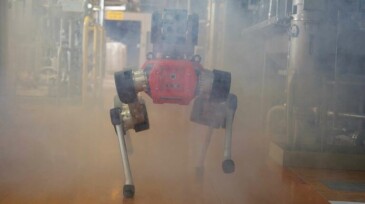
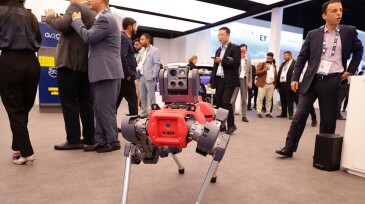
Equans has selected ANYbotics as its preferred ground robot supplier to drive the adoption of ANYmal for autonomous inspections, asset monitoring, and maintenance.
-
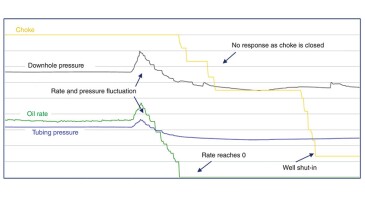
The authors of this paper discuss how intelligent completions in the Gulf of Mexico have allowed for increased production, reduction in operating expenses, enhanced overall reservoir recovery, and improved safety and environmental performance.
-
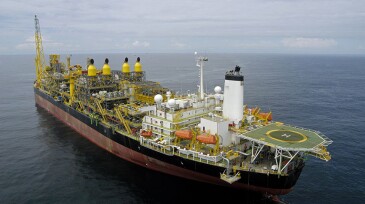
This paper presents the operator’s learnings in evaluating the routine of a floating production, storage, and offloading asset crew to identify scenarios for the application of robotics in day-to-day offshore activities.
-
AI can transform our work, but it demands the highest accuracy. Anything less than perfect in oil and gas and other heavy-asset industries is unacceptable.
-
As we turn the page on our 75th anniversary, JPT’s recent visit to the UAE offers a front-row seat of what some of the industry’s biggest players see coming.
-
Digitalization and automation of the drilling process drive the need for an interoperability platform in a drilling operation, where a shared definition and method of calculation of the drilling process state is a fundamental element of an infrastructure to enable interoperability at the rigsite.
-
The USGS has said up to 19 million tons of lithium resource is contained in the briny waters of the Smackover formation in Arkansas.
-
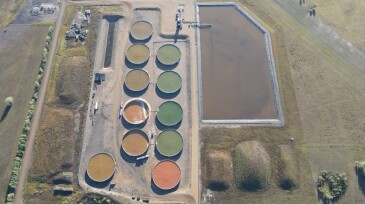
A comprehensive, digitized water-management application has been designed to streamline and enhance the monitoring and management of water resources used in hydraulic fracturing.
-
This case study uses distributed temperature sensing (DTS) technology to monitor a cemented and plugged well in the Alaska North Slope, highlighting the versatile potential of DTS in long-term monitoring and establishing a workflow that makes the most of that potential.