Data & Analytics

This case study describes how edge computing and industrial internet of things platforms were deployed to automate and optimize production operations across four distinct basins.

This work describes a study in which distributed data parallel training, paired with a node-local caching pipeline, enabled efficient multigraphics-processing-unit scaling for a CO₂-storage graph-neural-network surrogate while maintaining generalization.

This paper presents a novel reservoir engineering/reservoir simulation approach—a data-driven interwell-connectivity model augmented as a digital twin—to predict reservoir dynamics and optimize operations in the Changqing oil field of China.
-
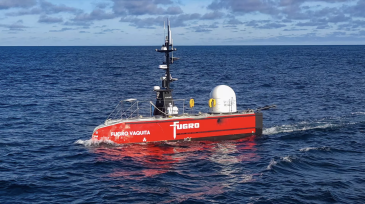
 The planned use of an uncrewed surface vessel to inspect shallow-water infrastructure for Petrobras follows a previous remote operation survey for the operator.
 -
The grant was awarded by the Scottish Funding Council in partnership with Scottish Enterprise to assist in developing an AI demonstrator to optimize subsea decommissioning.
-
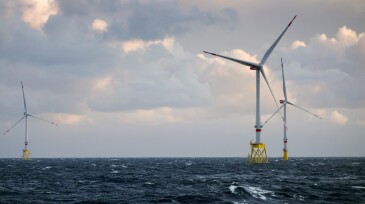
Underwater robots that can predict waves in real time could reduce the cost of producing offshore renewable energy, a study suggests.
-
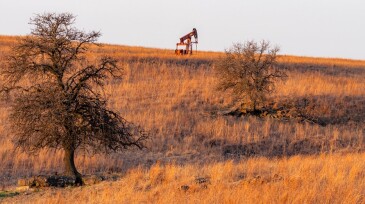
Undocumented orphaned wells pose hazards to both the environment and the climate. Scientists are building modern tools to help locate, assess, and pave the way for ultimately plugging these forgotten relics.
-
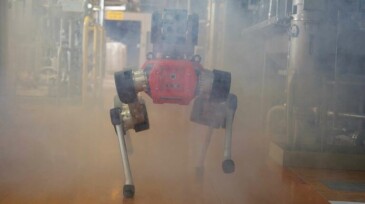
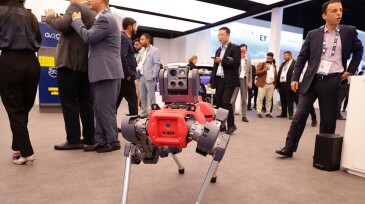
Equans has selected ANYbotics as its preferred ground robot supplier to drive the adoption of ANYmal for autonomous inspections, asset monitoring, and maintenance.
-
AI can transform our work, but it demands the highest accuracy. Anything less than perfect in oil and gas and other heavy-asset industries is unacceptable.
-
As we turn the page on our 75th anniversary, JPT’s recent visit to the UAE offers a front-row seat of what some of the industry’s biggest players see coming.
-
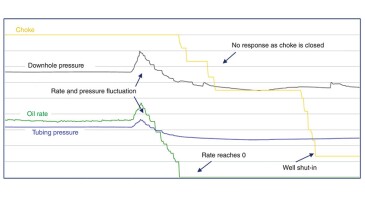
The authors of this paper discuss how intelligent completions in the Gulf of Mexico have allowed for increased production, reduction in operating expenses, enhanced overall reservoir recovery, and improved safety and environmental performance.
-
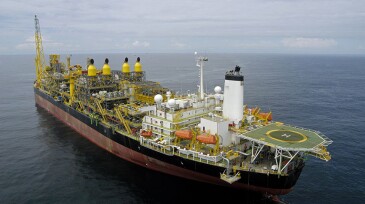
This paper presents the operator’s learnings in evaluating the routine of a floating production, storage, and offloading asset crew to identify scenarios for the application of robotics in day-to-day offshore activities.
-
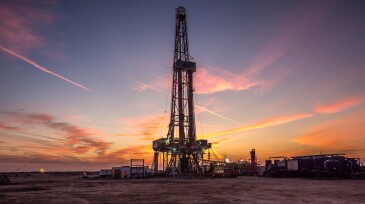
Digitalization and automation of the drilling process drive the need for an interoperability platform in a drilling operation, where a shared definition and method of calculation of the drilling process state is a fundamental element of an infrastructure to enable interoperability at the rigsite.