Data & Analytics

This research focuses on combining physics-based expert rules with machine learning to improve the detection of failure-related events in electrical submersible pumps.

A combination of physics principles and machine-learning techniques is used in this work to develop a virtual flowmeter for oil-production optimization in electrical-submersible-pump-lifted oil wells, resulting in reliable generalization.

This paper presents the deployment of an artificial intelligence-enabled autonomous gas lift optimization system, integrating real-time centralized advanced process control with cloud-based analytics to enhance artificial gas lift performance in producer wells.
-
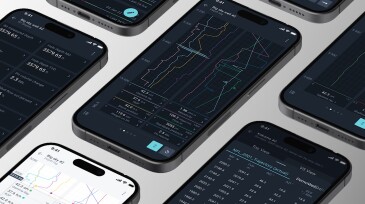
 SponsoredKongsberg Digital’s mobile companion to the SiteCom platform is designed to keep wellsite insight close at hand, wherever the job takes you.
 -
The fifth edition of the SPE Europe Energy GeoHackathon, beginning on 1 October, focuses on how data science can advance geothermal energy and drive the energy transition.
-
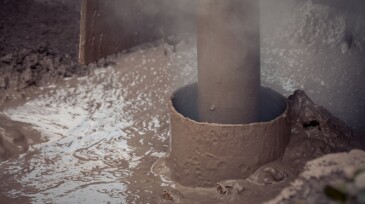
This paper presents the development of a robust, physics-based, and data-driven workflow for modeling mud loss in fractured formations and predicting terminal mud loss volume and time, as well as equivalent hydraulic fracture aperture.
-
The deal follows Blackstone’s recent moves in gas-fired power and a pipeline venture with top US gas producer.
-
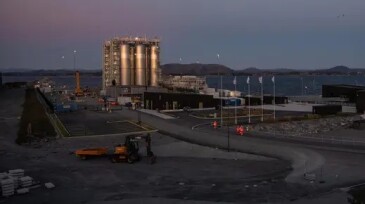
The collaboration will see TGS’ software platform implemented throughout the carbon value chain at the Northern Lights project.
-
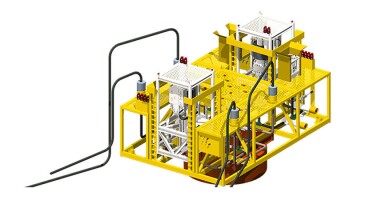
By closely monitoring its subsea boosting system, Shell extended maintenance intervals and safely postponed pump replacement at its ultradeepwater Stones field.
-
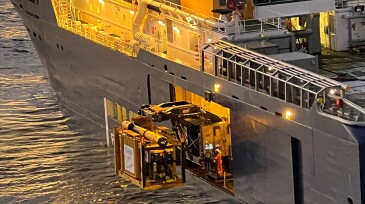
With the right infrastructure and interoperability, subsea resident robotics could unlock more frequent, cost-effective inspections—and a new standard for offshore efficiency.
-
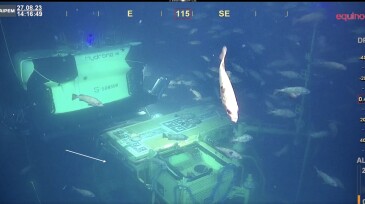
Emerging solutions could solve current subsea pain points, while a new taxonomy system could clarify the capabilities of the expanding domain of underwater vehicles.
-
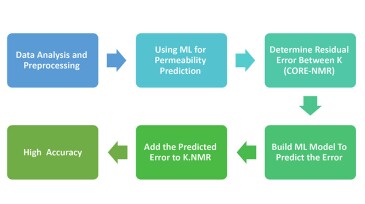
This study integrates physics-based constraints into machine-learning models, thereby improving their predictive accuracy and robustness.
-
This paper introduces a machine-learning approach that integrates well-logging data to enhance depth selection, thereby increasing the likelihood of obtaining accurate and valuable formation-pressure results.