Data & Analytics

This research focuses on combining physics-based expert rules with machine learning to improve the detection of failure-related events in electrical submersible pumps.

A combination of physics principles and machine-learning techniques is used in this work to develop a virtual flowmeter for oil-production optimization in electrical-submersible-pump-lifted oil wells, resulting in reliable generalization.

This paper presents the deployment of an artificial intelligence-enabled autonomous gas lift optimization system, integrating real-time centralized advanced process control with cloud-based analytics to enhance artificial gas lift performance in producer wells.
-
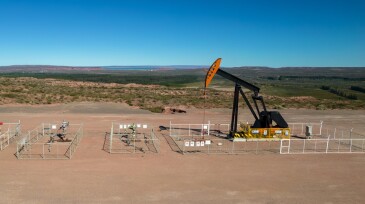
 Machine learning is refining gas lift production optimization with scalable automated workflow.
 -
The Permian’s produced-water challenge presents an opportunity for innovation to pave the way toward a more sustainable future for the industry.
-
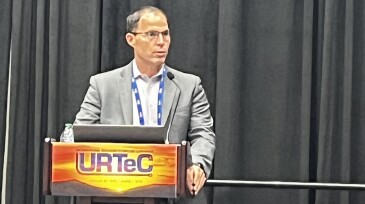
The chief operating officer of Chesapeake Energy tells the Unconventional Resources Technology Conference that small wins can pave the path to big achievements.
-
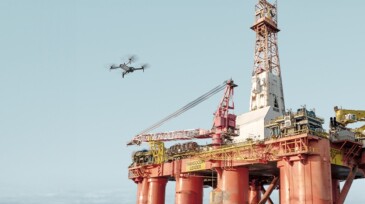
Using autonomous systems creates efficiencies, but, even more critically, it also allows engineers to be engineers.
-
The Norwegian major agrees to use Seeq’s software in an effort to maximize production and enhance efficiency across its assets.
-
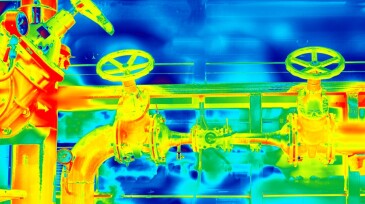
This article explores the implementation of artificial intelligence vision for leak monitoring automation in the oil and gas industry and its role in improving safety standards, operational efficiency, and environmental performance.
-
This paper investigates the use of machine learning to rapidly predict the solutions of a high-fidelity, complex physics model using a simpler physics model.
-
This study proposes a hybrid model that combines the capacitance/resistance model, a machine-learning model, and an oil model to assess and optimize water-alternating-gas (WAG) injectors in a carbonate field.
-
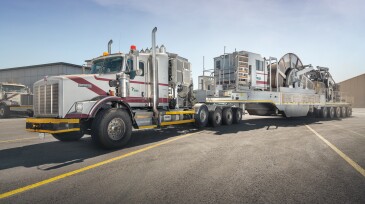
SponsoredTAQA is commencing its journey into the year 2024 with the successful launching of many innovative coiled tubing technologies and solutions, technologies that will transform the nature of well intervention operations into a new era. Read this article and dive into the high-tier coiled tubing technology offerings from TAQA.
-
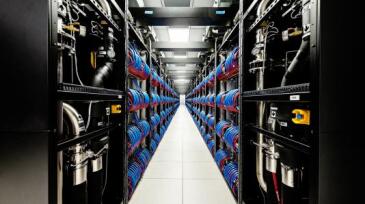
The new system at the US Department of Energy’s Argonne National Laboratory achieved more than a quintillion calculations per second.