Data & Analytics

This research focuses on combining physics-based expert rules with machine learning to improve the detection of failure-related events in electrical submersible pumps.

A combination of physics principles and machine-learning techniques is used in this work to develop a virtual flowmeter for oil-production optimization in electrical-submersible-pump-lifted oil wells, resulting in reliable generalization.

This paper presents the deployment of an artificial intelligence-enabled autonomous gas lift optimization system, integrating real-time centralized advanced process control with cloud-based analytics to enhance artificial gas lift performance in producer wells.
-
 A recently signed memorandum of understanding is designed to let the two companies work together on digital transformation and decarbonization.
 -
Synthetic data generation is a solution that allows citizen data scientists and auto ML users to quickly and safely create and use business-critical data assets. Benefits go beyond democratizing data access, and even those with privileged data access are building synthetic data generators into their work flows.
-
This paper describes a novel method based on machine learning to maintain an evergreen competency database. The tool reduces discrepancies between organizational requirements and the actual talent deployment by using unstructured corporate data.
-
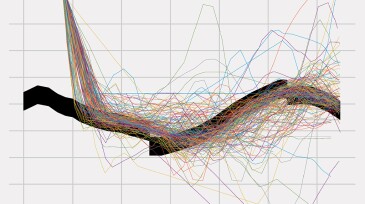
Geosteering is supposed to ensure the wellbore stays in the most-productive zone, but a recent study suggests it often misses the mark.
-
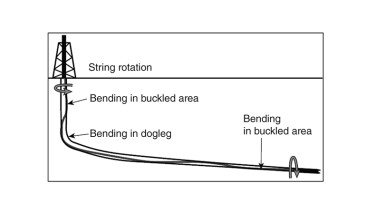
The authors discuss a study based on twistoffs experienced with bottomhole assembly components during drilling operations and provide recommendations for reduction or elimination of these incidents.
-
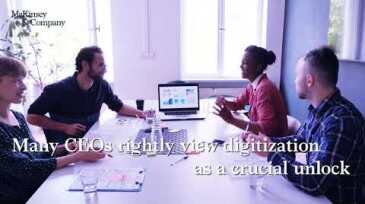
Only 30% of oil and gas companies have successfully scaled digital manufacturing. In this video, McKinsey & Company presents a few digital transformation ideas that can help oil and gas CEOs achieve real impact on production key performance indicators.
-
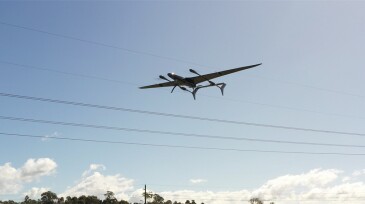
The data company will use drones supplied by Carbonix to expand its remote data acquisition.
-
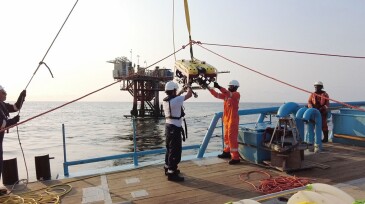
The Seaeye Falcon underwater robot is being used in the decommissioning and repurposing of an oil rig offshore Angola.
-
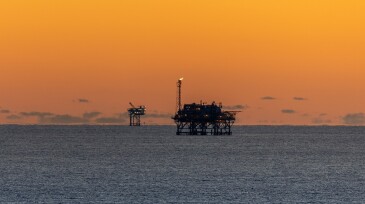
A network of more than 1,600 offshore facilities produces a significant portion of US domestic oil and gas. The facilities, which rely on technology to remotely monitor and control equipment, face a growing risk of cyberattacks.
-
Baker Hughes has signed a memorandum of understanding with Petronas to deploy industrial digital capabilities through Petronas’ AI Center of Excellence in Malaysia.