Data & Analytics

This research focuses on combining physics-based expert rules with machine learning to improve the detection of failure-related events in electrical submersible pumps.

A combination of physics principles and machine-learning techniques is used in this work to develop a virtual flowmeter for oil-production optimization in electrical-submersible-pump-lifted oil wells, resulting in reliable generalization.

This paper presents the deployment of an artificial intelligence-enabled autonomous gas lift optimization system, integrating real-time centralized advanced process control with cloud-based analytics to enhance artificial gas lift performance in producer wells.
-
 While digital-strategy implementation is at least superficially reliant on technical and architectural advances and vendor solutions, the narrow focus on technology has come at the expense of a data-centric digitalization approach.
 -
Like biological brains, artificial neural networks may depend on slow-wave sleep for learning.
-
Atlas and Fênix, also from Petrobras, are the two largest supercomputers in Latin America.
-
Satelytics, a US-based geospatial analytics software startup, will receive $5 million from BP Ventures to develop its methane-detection technology and then scale its applications across the oil and gas sector.
-
With their gee-whiz—albeit artificial—intelligence, robots may be the industry’s answer to jobs deemed dangerous, dirty, distant, or dull.
-
In response to increasing demand for remote offshore services, Fugro has completed the Middle East’s first fully autonomous geophysical shallow-water route survey.
-
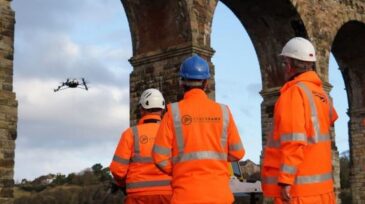
iHawk, Cyberhawk’s cloud-based asset visualization software, will become Shell’s next-generation visualization software platform for all onshore, offshore, and subsea assets, as well as all global construction projects.
-
The contract continues the two companies’ 8-year working relationship; in 2012, they performed the world’s-first underdeck inspection.
-
A test showing that it’s possible to automate the billing process for produced water hauling has opened the door for tracking a wide range of field activities. The industry downturn brought on by COVID-19 has motivated big companies to test practical applications sooner.
-
Oil and gas companies are awash with data. Engineers and geoscientists struggle to work with massive amounts of unstructured, yet valuable, data because it is not organized, is difficult to manage, and may not be complete. New work flows now allow this data to be organized successfully.