Data & Analytics

Switching from continuous circulation to cyclic huff-‘n’-puff operation in enhanced geothermal systems can significantly delay thermal breakthrough, sustain higher production temperatures, and improve long-term economic performance.
The two companies say they plan to work together to use agentic AI to increase the capabilities of technical experts.

This article is the first in a Q&A series from the SPE Methane Emissions Management Technical Section (MEMTS) on methane intelligence and how oil and gas teams translate emissions data into credible decisions and measurable reductions.
-
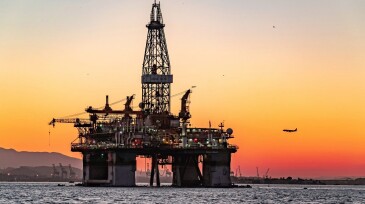
 Industry experts from Fugro analyze what the future holds for offshore energy fields and how the industry can embrace and prepare itself for an autonomous and digital future.
 -
Accenture research suggests that only 12% of companies have advanced their AI maturity enough to achieve superior growth and business transformation. These companies are "AI Achievers" and, on average, attribute 30% of their total revenue to AI.
-
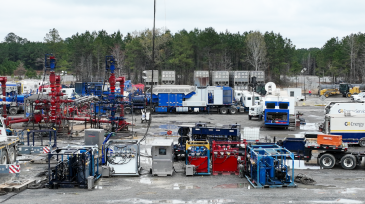
New automated technology is making it possible to run pressure pumps for days on end.
-
SponsoredWell-monitoring technology gives oil companies the data and insights to boost production and derive maximum value from oil and gas wells.
-
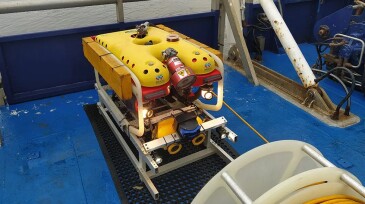
Researchers from the Offshore Robotics for Certification of Assets Hub teamed with EDF Renewables to use a modified remotely operated vehicle to conduct what they say is the first autonomous underwater inspection of wind farm foundations.
-
The Internet of Things company plans to broaden its reach into the oil and gas industry with its acquisition of Hiber.
-
Eighteen energy corporations have agreed to cooperate to strengthen infrastructure across the industry ecosystem. The pledge was announced during the World Economic Forum's 2022 annual meeting.
-
The suite of tools includes a digital platform for sharing emissions data, an agreed set of definitions that nails down what different terms mean, a single set of metadata definitions, and an API through which users can access data. When used together, these tools provide an integrated perspective on what emissions are coming from where.
-
A trio of new satellites that use infrared sensor technology are now flying around the Earth at a speed faster than 4 miles per second.
-
Trafigura, a group of physical commodity trading companies, and Palantir Technologies announced their intent to develop a platform to calculate carbon intensity, combining the efforts of trading and digital technology to account for Scope 3 emissions. The aim is to increase transparency of life-cycle emissions and to provide benchmarking against other market participa…