Decarbonization
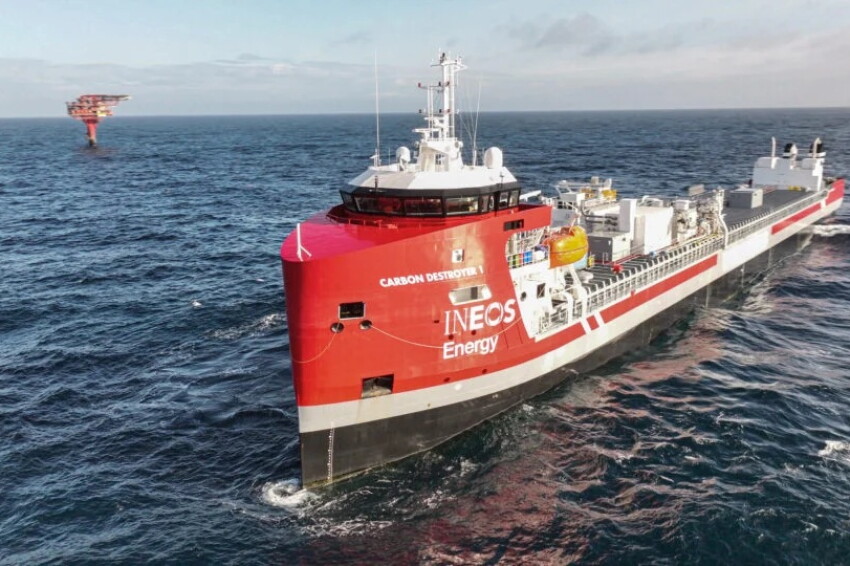
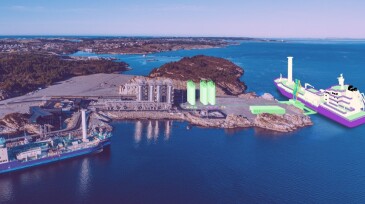
Plans call for the Greensand project to store 400,000 tonnes of carbon dioxide annually, with the potential to store up to 8 million tonnes annually at full capacity.
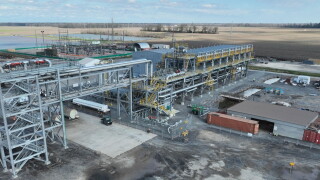
In line with its recently released Global Outlook, the major has begun storing carbon dioxide from Nucor’s iron facility in Convent, Louisiana.
Natural Resources Canada has awarded $4 million to Next Hydrogen and CERT Systems to advance clean hydrogen production and low-carbon sustainable aviation fuel technologies in the Greater Toronto Area.
-
 The Carbon Capture, Utilization, and Storage (CCUS) Technical Section is proud to announce the launch of its new eMentoring Program forward-thinking initiative designed to connect young professionals with seasoned experts across the CCUS industry. This virtual mentorship effort aims to fast-track knowledge transfer, foster professional development, and build a stronge…
 -
The Norwegian Ministry of Energy has approved the Phase 2 expansion, which is expected to increase carbon dioxide storage capacity from 1.5 million tonnes to 5 million tonnes.
-
DNV’s carbon capture and storage outlook forecasts a massive shortfall in the projects necessary to help the world reach net-zero emissions by 2050.
-
This paper describes the use of coiled tubing in a pilot project for carbon dioxide injection, enabling evaluation of the conversion of an existing oil field for CCS purposes and derisking storage-development uncertainties before having to cease hydrocarbon production.
-
The early enthusiasm for carbon capture and storage (CCS) is showing signs of strain as the limited capital availability and political support become clearer.
-
The two companies said they will evaluate the possibility of a joint venture to develop a direct air capture hub in South Texas, with XRG considering investing up to $500 million.
-
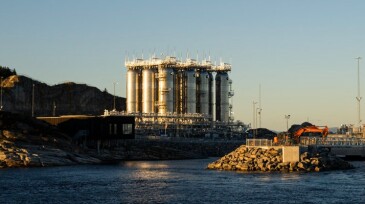
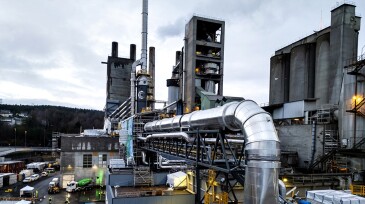
The plant at Heidelberg Materials’ cement facility in Brevik, Norway, has captured its first 1,000 metric tons of carbon dioxide.
-
The times are changing and so are our industry’s prospects, as hydrocarbons are now recognized as cardinal to affordable energy security for the conceivable future. But, in avoidance of suspense, the answer to the headline question is “absolutely.” Here we look at the rationale why.
-
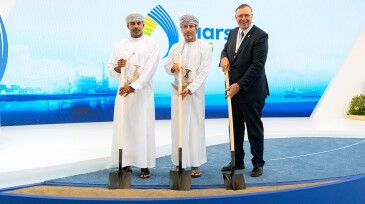
Situated at the entrance to the Persian Gulf, Marsa LNG will anchor the Middle East’s first bunkering hub when it drops its first product in 2028.
-
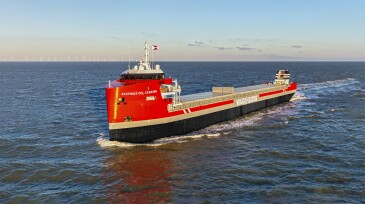
The vessel is expected to be delivered by the end of the year, while the project's new port in Esjberg is on target for completion this autumn.