Decarbonization

TotalEnergies signed off for 30% operated stakes in the Lang Lebah and B14 gas fields offshore Sarawak on the sidelines of ADIPEC in Abu Dhabi, while also highlighting methane-reduction partnerships in Angola, India, and Southeast Asia.

This SPE technical section editorial synthesizes six technical themes shaping CO2 transport and storage and interprets them through a petroleum engineering capability lens.

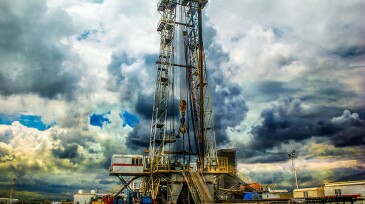
The Pawnee Carbon Sequestration Project, which would use a repurposed well, is planned to capture and store up to 400,000 tonnes of carbon dioxide, with first injection targeted for early 2027.
-
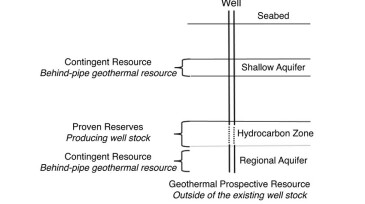
 This paper discusses and evaluates retrofitting abandoned petroleum wells for geothermal applications as a commonly proposed solution to meet the challenge of the capital expenditure required for drilling and completion.
-
This paper provides an overview of a geothermal assessment project completed to assess geothermal energy resources in and around an operational high-pressure/high-temperature field on the UK Continental Shelf.
-
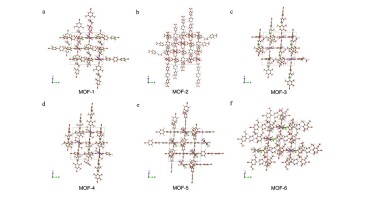
Artificial intelligence is increasingly being used to assist in the development of materials, including metal-organic frameworks (MOFs), to advance carbon capture technologies. Researchers assembled more than 120,000 new MOF candidates within 30 minutes.
-
SponsoredWith almost three-quarters of the global greenhouse gas emissions coming from the energy sector, there is a heavy burden and a huge responsibility on the shoulders of all countries of the world to transform the energy sector to be cleaner and greener by eliminating these emissions.
-
With a successful pilot under its belt, Thailand's national oil company is planning a bigger production unit.
-
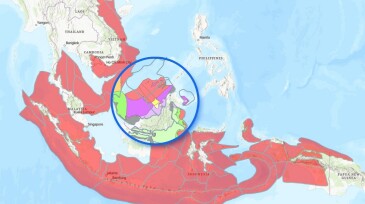
The company has added a new Southeast Asia carbon storage study to its growing library of carbon capture, use, and storage opportunities.
-
After becoming the first oil and gas major to source all its onshore grid electricity needs from nuclear and solar energy, ADNOC now focuses on decarbonizing production offshore.
-
Executives from BKV Corp. share why the mid-sized natural gas producer is diving headfirst into carbon sequestration projects and why you should too.
-
The authors of this paper investigate the application of two seismic monitoring methods in monitoring carbon leaks: full waveform inversion and reverse-time migration.
-
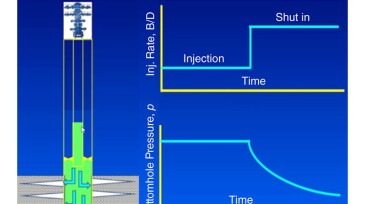
This paper presents a case study on injectivity tests to prove the concept of carbon capture, use, and sequestration capability, describing the design of surface and downhole testing systems, lessons learned, and recommendations.