Decarbonization

TotalEnergies signed off for 30% operated stakes in the Lang Lebah and B14 gas fields offshore Sarawak on the sidelines of ADIPEC in Abu Dhabi, while also highlighting methane-reduction partnerships in Angola, India, and Southeast Asia.

This SPE technical section editorial synthesizes six technical themes shaping CO2 transport and storage and interprets them through a petroleum engineering capability lens.

The Pawnee Carbon Sequestration Project, which would use a repurposed well, is planned to capture and store up to 400,000 tonnes of carbon dioxide, with first injection targeted for early 2027.
-
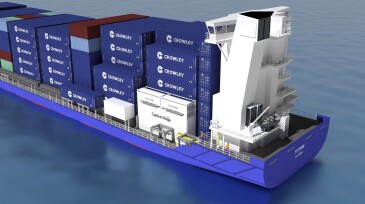
 A pilot project will explore onboard carbon capture for container ships, and two heavy-hitters are teaming up to find decarbonization paths in the Asia Pacific region. Elsewhere, wind and solar are on track to pass coal in the race to generate electricity.
-
The memorandum of understanding aims to improve digital work flows in the emerging carbon capture and storage industry.
-
For today’s oil and gas companies, digital twins offer untapped potential to decarbonize the leading source of their emissions—field production.
-
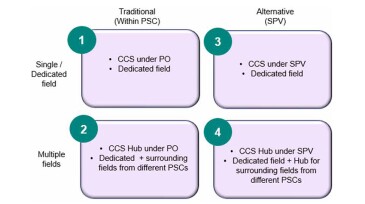
This study compares, in a carbon capture and storage (CCS) context, the economics of a traditional business model vs. an alternative business model (a regional CCS hub separately managed by a special-purpose vehicle).
-
A surge in permit applications for long-term carbon storage sites reflects where industrially produced carbon dioxide can be harvested, and where the necessary pipelines are.
-
The captured carbon dioxide will be permanently sequestered in the Cameron Parish CO2 Hub to be located offshore Louisiana.
-
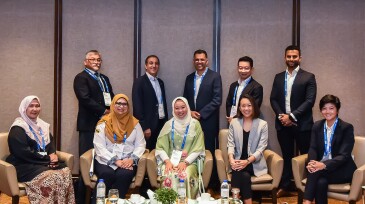
Paving the way for collaboration, the fourth edition of the SPE Symposium on CCUS management witnessed groundbreaking discussions on innovative strategies and initiatives that accelerate the deployment of CCS and CCUS projects in the region.
-
Several projects have been scrapped across the US as inflation causes project costs to soar, while projects in Costa Rica and Rotterdam move forward.
-
New York-based BlackRock will put more than half a billion dollars into Occidental's first direct air capture project, which is now 30% completed.
-
In the US, localized opposition and regulatory uncertainty are threatening to kill or severely limit the use of carbon capture, use, and storage (CCUS) in the fight against climate change.