Decarbonization
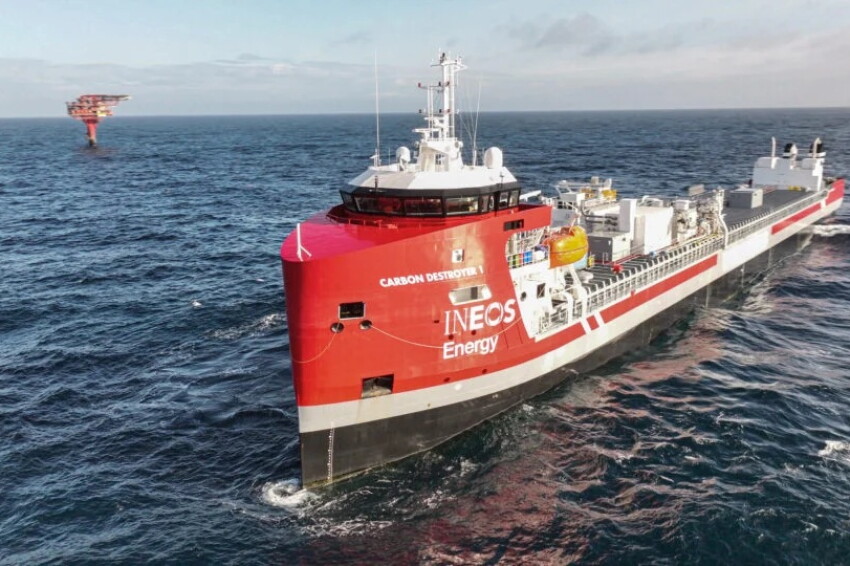
Plans call for the Greensand project to store 400,000 tonnes of carbon dioxide annually, with the potential to store up to 8 million tonnes annually at full capacity.
In line with its recently released Global Outlook, the major has begun storing carbon dioxide from Nucor’s iron facility in Convent, Louisiana.
Natural Resources Canada has awarded $4 million to Next Hydrogen and CERT Systems to advance clean hydrogen production and low-carbon sustainable aviation fuel technologies in the Greater Toronto Area.
-
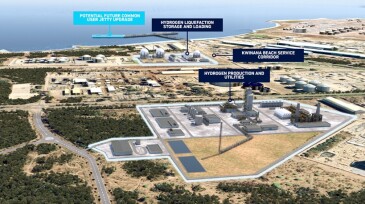
 Australia’s H2Perth blue and green hybrid hydrogen project is expected to benefit from carbon credits from the offshore Bonaparte carbon storage facility where Inpex and TotalEnergies are drilling appraisal wells together with Woodside.
 -
The carbon capture and storage system is expected to transport and store up to 680,000 tonnes of carbon dioxide per year in Louisiana.
-
This study recommends favoring the combustion of ammonia over hydrogen for the purpose of reducing CO₂ and nitrogen emissions.
-
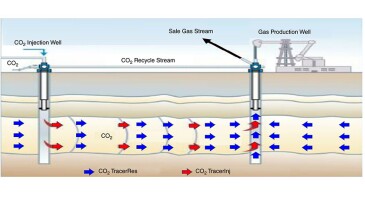
This study explores the feasibility of implementing in-situ carbon dioxide recycling for sequestration as a fit-for-purpose developmental strategy for a Malaysian gas field characterized by an initial carbon-dioxide content of approximately 60%.
-
The supermajor’s Energy Outlook 2025 suggests geopolitical fragmentation could tilt the balance of the energy trilemma toward energy security and away from sustainability.
-
Iraq’s Gas Growth Integrated Project aims to increase electricity generation by capturing flare gas collected from three southern oil fields. A desalination project will use treated seawater to maintain well pressures.
-
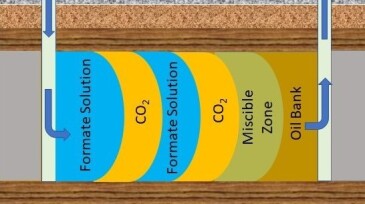
In a study that applied alternative carbon carrier technology to enhanced oil recovery (EOR) scenarios, researchers at The University of Texas at Austin found that the new method recovered up to 19.5% more oil and stored up to 17.5% more carbon than conventional EOR methods.
-
The spring Unified Agenda provides a snapshot of efforts to advance the president’s plans for fossil fuel exploration and infrastructure.
-
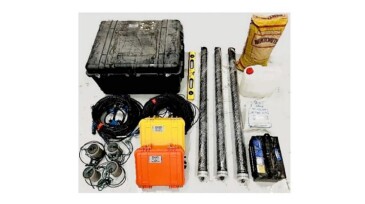
This study assesses the advantages, constraints, and necessary enhancements of both passive and active electromagnetic techniques in the context of carbon capture and storage.
-
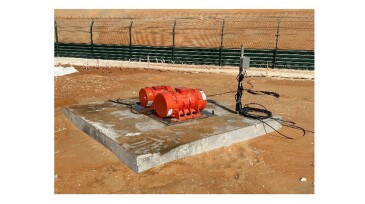
The paper describes the deployment of fiber-optic monitoring of CO₂ injection and containment in a carbonate saline aquifer onshore Abu Dhabi.